


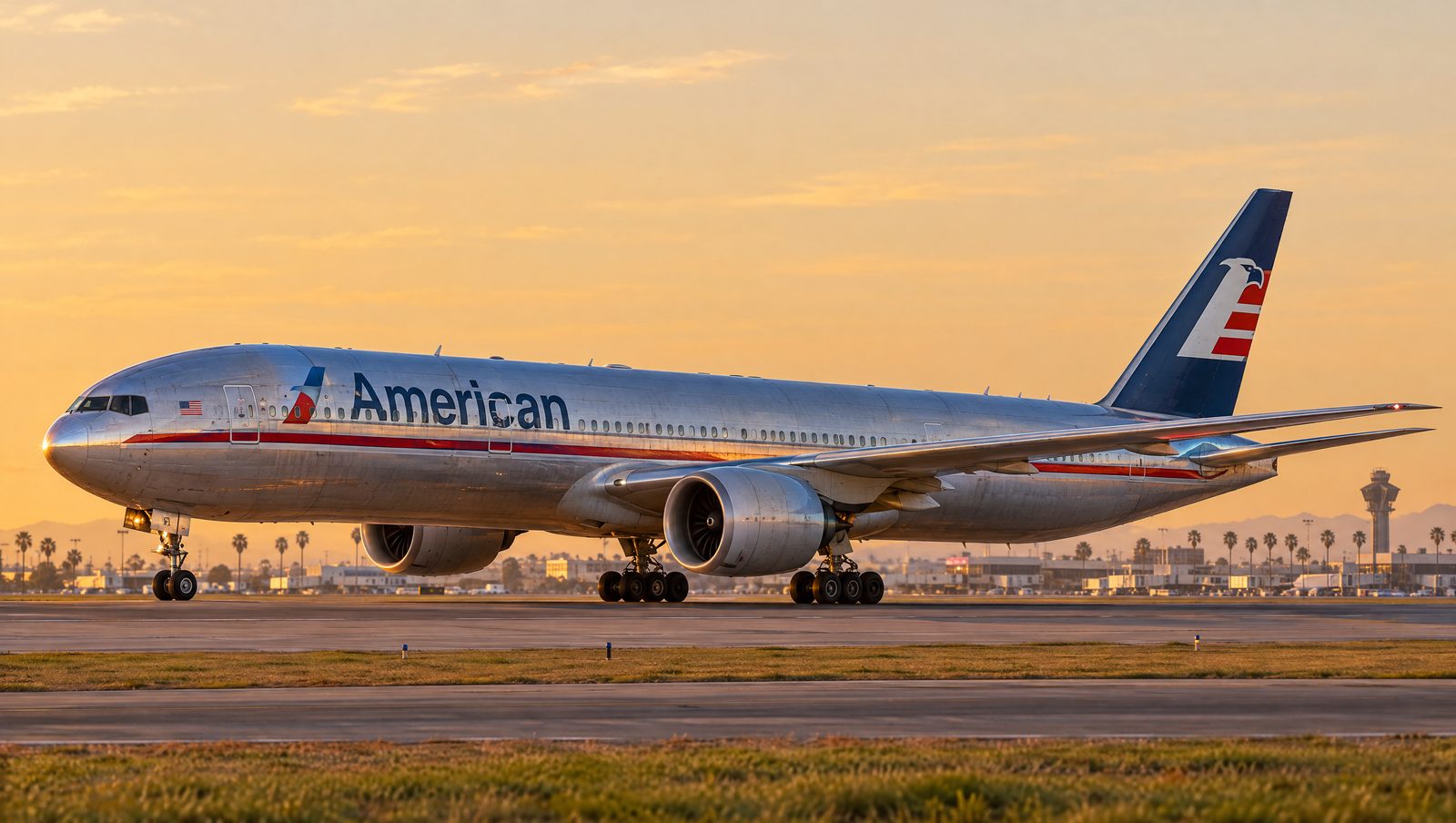
American Airlines intends to make Los Angeles International Airport its Pacific gateway again, reversing a pandemic-era retreat that left the carrier with a smaller share of long-haul seats from the West Coast than it held before COVID-19. Chief commercial officer Nat Pieper confirmed the shift in an interview published by Cranky Flier on October 12, 2026, framing LAX as a platform for flying American's own airplanes back into major Asian markets once terminal construction eases.
A Pacific pivot after the pullback
Before the pandemic, American had built Los Angeles into its main West Coast springboard across the Pacific. During the downturn the airline cut that network sharply and leaned more on joint-venture and oneworld partners for Asia connectivity. Pieper, who previously ran alliances at Northwest Airlines, told Cranky Flier he rejects that approach for the biggest markets: he wants American metal on the important routes if the airline is to be "the premier global airline based in the US."
Cirium data cited in the interview show the big three U.S. carriers together offering more long-haul seats from LAX in 2027 than they did pre-pandemic, but American's share of that pool has fallen from more than half to less than 30 percent. Delta has been adding international flying from its rebuilt Los Angeles terminal complex, while United has also expanded. Pieper acknowledged that American's earlier sun-belt network focus hurt its ability to attract local traffic in hubs such as Los Angeles, Philadelphia and Phoenix, and said the network team is working to rebuild those positions.
Gates first, then Asia metal
Growth cannot ramp immediately. Terminal 4 has been in phased construction for years and is short of gates, while Terminal 5 was demolished and is being rebuilt ahead of the 2028 Olympics. American has had to scatter flying into distant regional gates and into the Tom Bradley International Terminal. Pieper said construction must finish before the airline can really grow, though he expects growth to start next year and build slowly.
Once the work is done, American plans to hold all 15 gates in Terminal 4 and 10 of 15 in Terminal 5 — and Pieper said he wants all 30 gates in the two terminals. That single Terminal 4/5 complex with one security checkpoint is what he described as the platform to "start flying our metal back into Asia with our airplanes." The airline today operates roughly 130–140 daily departures from LAX, down from about 200 before the pandemic; Pieper floated adding about 50 daily flights once capacity returns. Delta is in the 150–160 range and United around 140–145, according to the same interview.
Local schedule and loyalty
Pieper was in Los Angeles to meet airport and civic leaders about American's role in the basin. He argued no carrier will "win" Los Angeles outright, but that a stronger local schedule, loyalty product and facilities can claw back share. The Pacific rebuild is also meant to sit alongside Alaska Airlines' growing Seattle gateway as both carriers deepen Atlantic and Pacific joint businesses.
No new Asia city-pairs were announced in the interview. The near-term message is strategic: finish the terminals, thicken the local schedule, then put American widebodies back on the Pacific. For travelers, that points to more American long-haul options from LAX later in the decade — if the gate plan and the aircraft arrive on the timeline Pieper sketched.
American Airlines did not publish a separate route list with the Cranky Flier interview. The confirmation that Los Angeles will again be the Pacific gateway is the headline change after years of retreat.










Comments
Loading comments…