


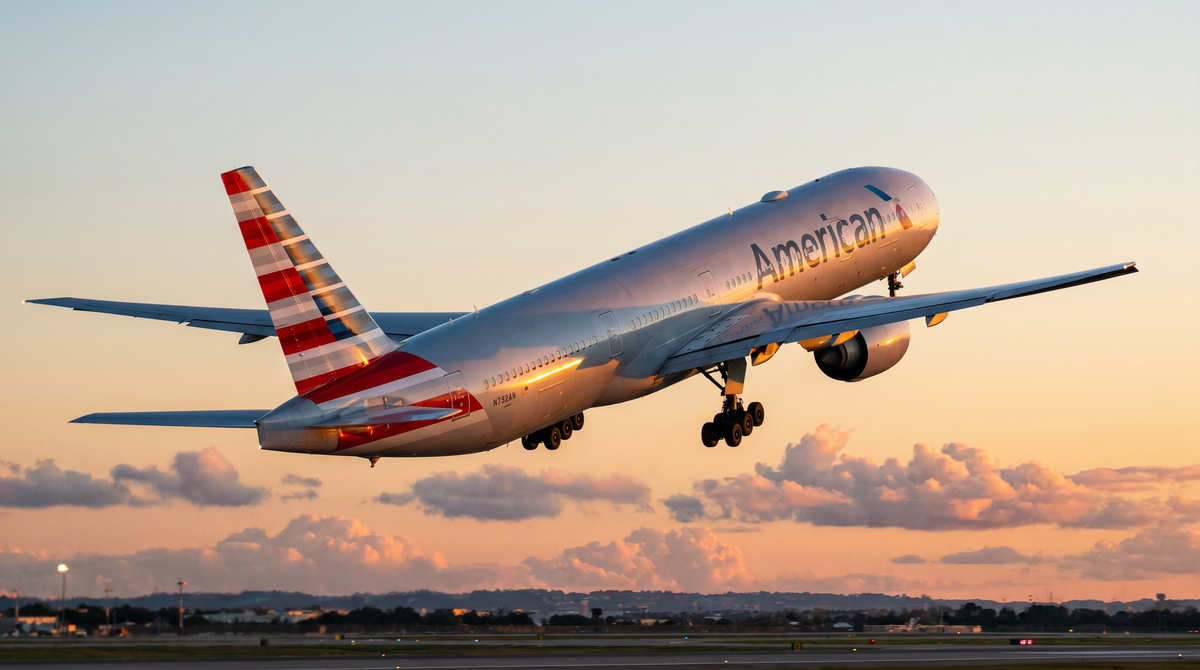
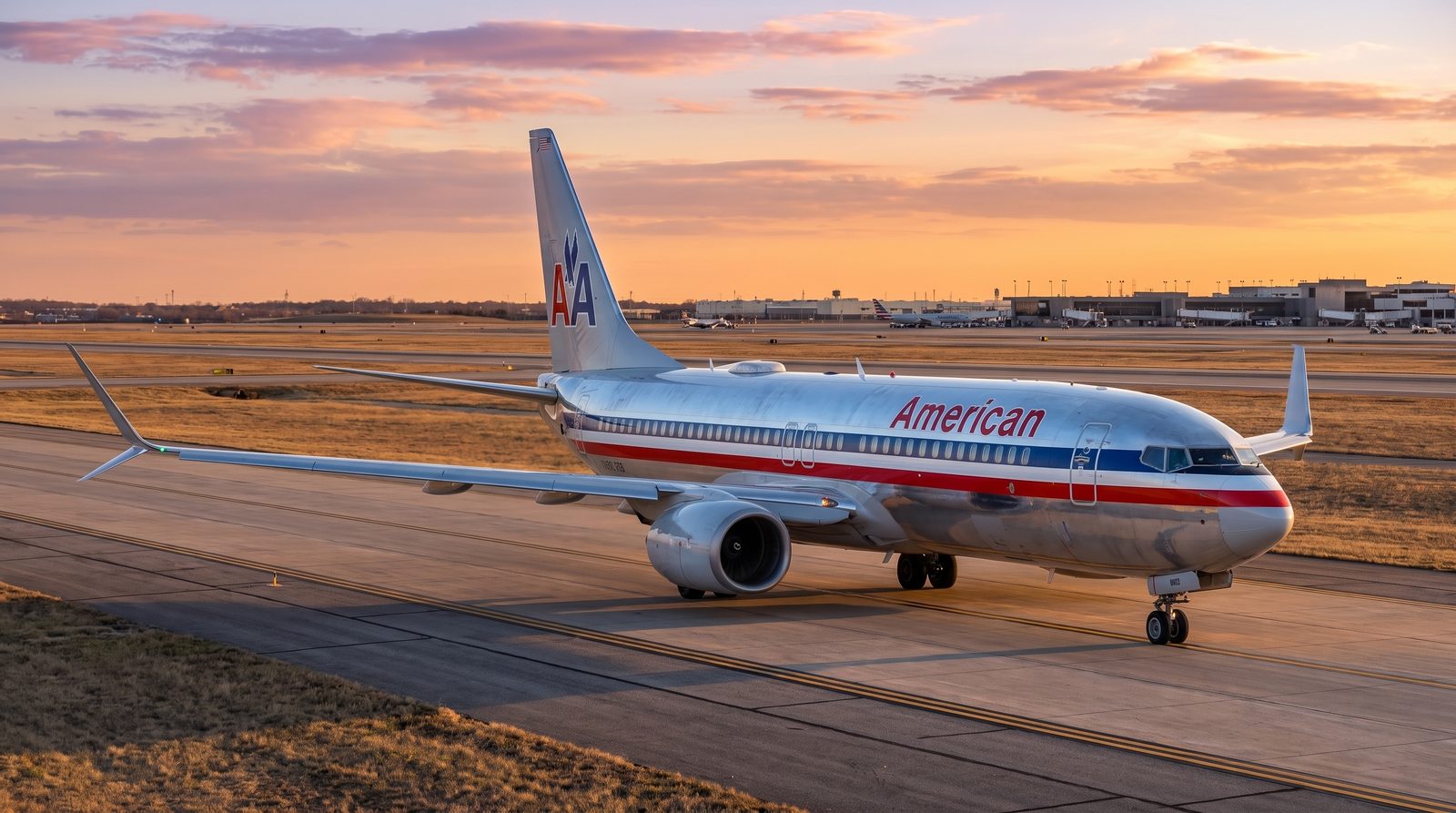
American Airlines is preparing to return its first premium-retrofitted Boeing 777-300ER to revenue service, marking a key milestone in the carrier's multi-year widebody cabin-modernization effort. According to reporting from Simple Flying, the aircraft (registration N718AN) was flown to Hong Kong in December 2025 for an extensive interior overhaul and is expected to leave the facility before mid-July, with a return to commercial flying anticipated for early-to-mid August 2026. The refresh brings American's redesigned Flagship Suite business class to a widebody that has long been a workhorse of the airline's long-haul network.
The centerpiece of the retrofit is the Flagship Suite, a fully lie-flat business class seat with a privacy door and direct aisle access from every seat. The reconfigured jet also adds a small number of extra-spacious front-row Flagship Preferred suites and an expanded Premium Economy cabin, while international First Class is removed entirely. Reporting indicates the revised layout lifts the total seat count to roughly 330, with the deletion of First Class and three lavatories freeing up around 34 additional premium seats.
The product is designed to close the competitive gap with rivals such as Delta Air Lines and United Airlines, both of which have invested heavily in premium-cabin hardware in recent years. American had faced criticism for lagging on long-haul premium offerings, and the retrofit program — which is expected to cover the airline's fleet of about 20 Boeing 777-300ERs — is its structured response, intended to deliver a more consistent and elevated cabin across its widebody fleet rather than waiting solely on new aircraft deliveries.
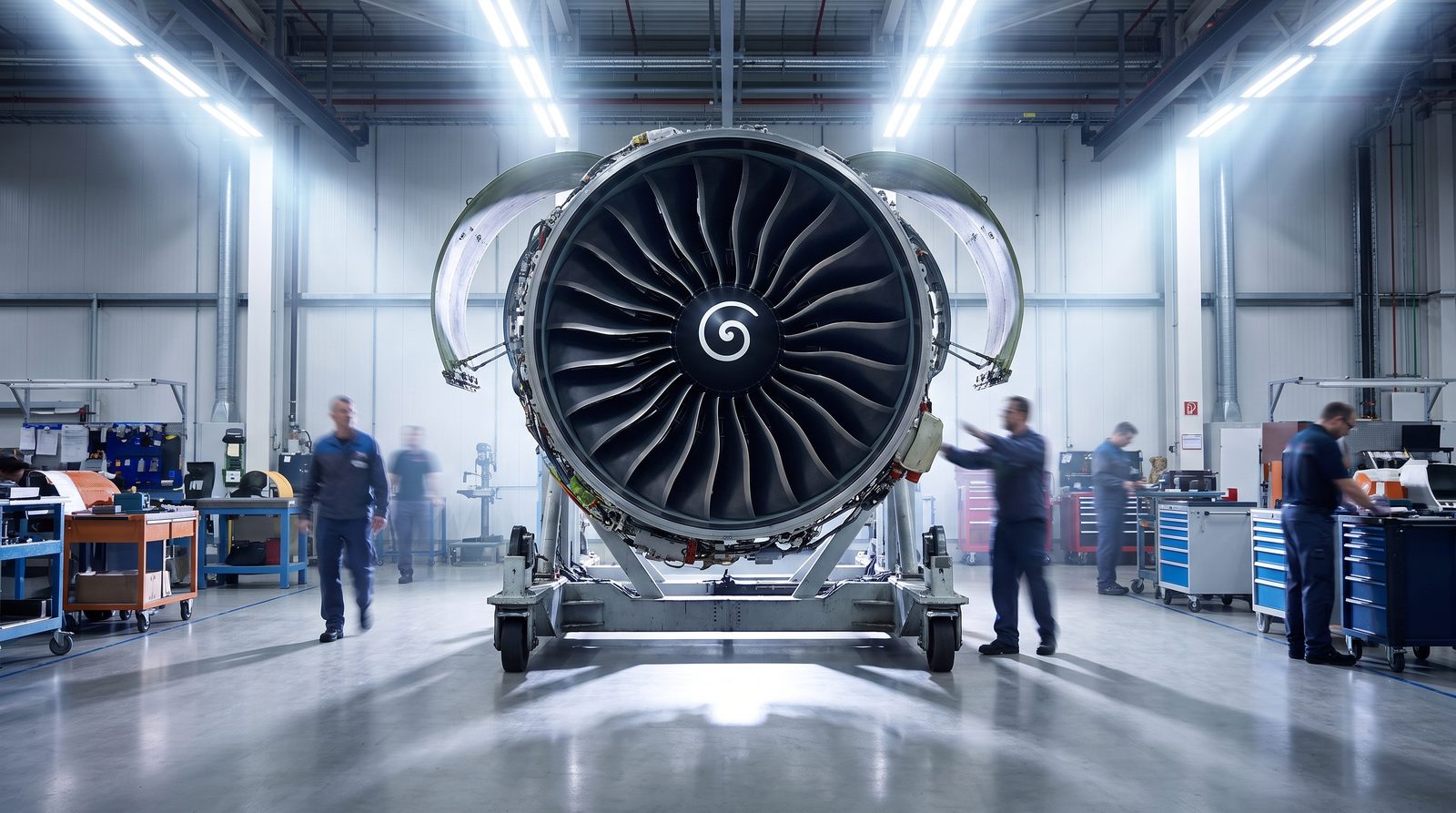
The Boeing 777-300ER is a natural candidate for this kind of investment. Powered by General Electric GE90-115B engines, it is the longest-range member of the 777 Classic family and is capable of ultra-long-haul missions well beyond 13,000 kilometres. American operates the type primarily on high-demand transatlantic and transpacific routes where premium-cabin revenue is disproportionately important to profitability. Retrofitting existing airframes lets the airline modernize its product on a faster timeline and at lower capital cost than acquiring new widebodies, though each jet must be taken out of service for an extended modification period.
According to The Points Guy, American is positioning the reconfigured 777-300ER cabins and its incoming Airbus A321XLR as complementary pieces of a wider network strategy, with the narrowbody opening thinner point-to-point transatlantic routes while the updated widebody anchors the airline's premium trunk services. Transatlantic premium demand has remained strong, and carriers able to market suite-style business class with direct aisle access have captured a larger share of corporate and premium-leisure travellers.
American has not published a precise completion timeline for the full 777-300ER retrofit, and Simple Flying frames the first aircraft's return as expected rather than confirmed. Even so, the debut of the initial retrofitted jet would move the program from planning and groundwork into visible operational deployment, with additional airframes expected to follow through the modification line in the months ahead and progressively widen the number of routes on which passengers can book the updated cabin.
Sources: Simple Flying, The Points Guy. Featured image: AI-generated by AviationShop. By Marco Bianchi.


Comments
Loading comments…