


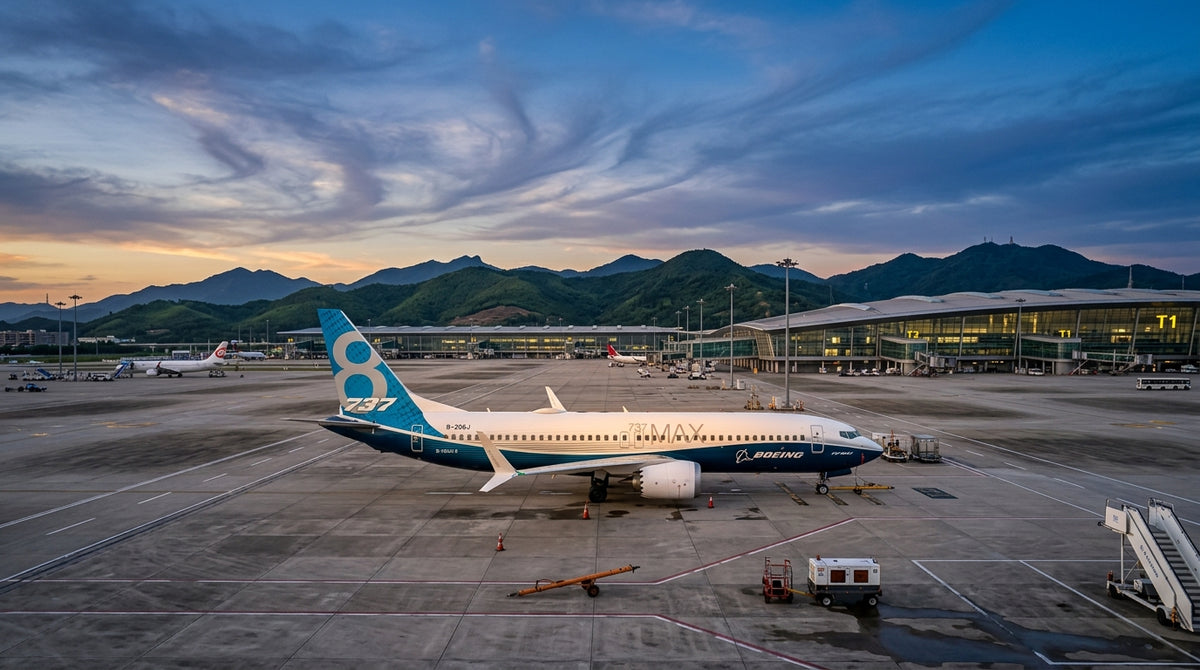
China's Commerce Ministry formally confirmed on Wednesday, May 20, that the country's aviation industry will introduce 200 Boeing aircraft, alongside engines and spare parts, in a deal estimated by aviation intelligence firm IBA at roughly $17 billion to $19 billion. The announcement marks the first major Chinese order for the American planemaker since 2017 and reopens a strategically critical market that has effectively been closed to Boeing for nearly a decade.
The ministry framed the agreement in measured language, noting that the purchase would proceed "based on commercial principles" and the air transport sector's own development needs. President Donald Trump had previewed the deal earlier in the month aboard Air Force One during his summit with President Xi Jinping, suggesting at the time that the agreement could ultimately expand to as many as 750 aircraft. The headline figure of 200 jets nonetheless fell well short of the more bullish forecasts that Wall Street analysts had circulated in the days before the meeting.
What the 200-Aircraft Order Looks Like
Independent aviation analysts project that roughly 80 percent of the mix is likely to consist of Boeing 737 MAX narrowbodies, with the remainder split between 787 Dreamliner widebodies and possibly a small allocation of 777-9s. At list prices, a 200-aircraft package weighted toward the 737 MAX 8 and MAX 10 would carry a book value substantially higher than the IBA estimate, but Chinese carriers typically negotiate steep discounts on large fleet commitments. Deliveries are expected to be staggered through the remainder of the decade, with the first MAX handovers possibly arriving as early as 2027.
Why This Order Matters For Boeing
China was once Boeing's single largest growth market, accounting for roughly a quarter of global 737 MAX demand in the years before 2018. The freeze on new Chinese orders since 2017 forced Boeing to redirect production slots to other regions, and the company's backlog has skewed heavily toward Middle Eastern, Indian, and U.S. carriers as a result. Restoring even partial access to Chinese airline procurement gives Boeing a meaningful demand cushion at a time when the manufacturer is still working to scale 737 MAX production back to pre-grounding levels.
What Happens Next
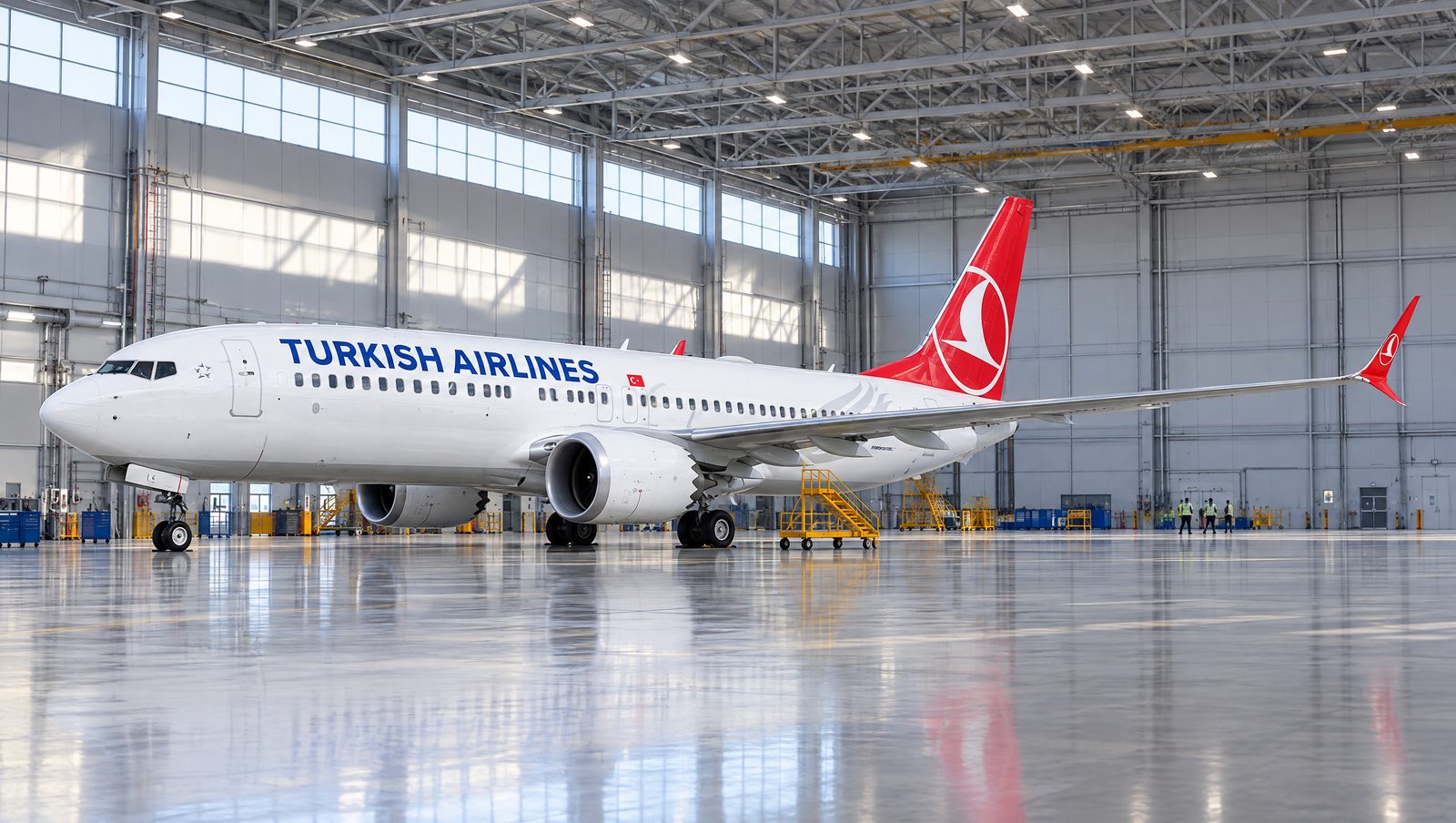
Beijing's confirmation does not yet specify which Chinese carriers will receive the aircraft. In past large frame agreements, the orders have been allocated across Air China, China Eastern, and China Southern, with smaller secondary distributions to Hainan Airlines and Xiamen Air. A detailed breakdown is expected in the coming weeks once the State-owned Assets Supervision Commission finalizes which operators receive priority delivery slots. Analysts will be watching closely to see whether Trump's projected 750-aircraft expansion materializes as a follow-on agreement later this year.
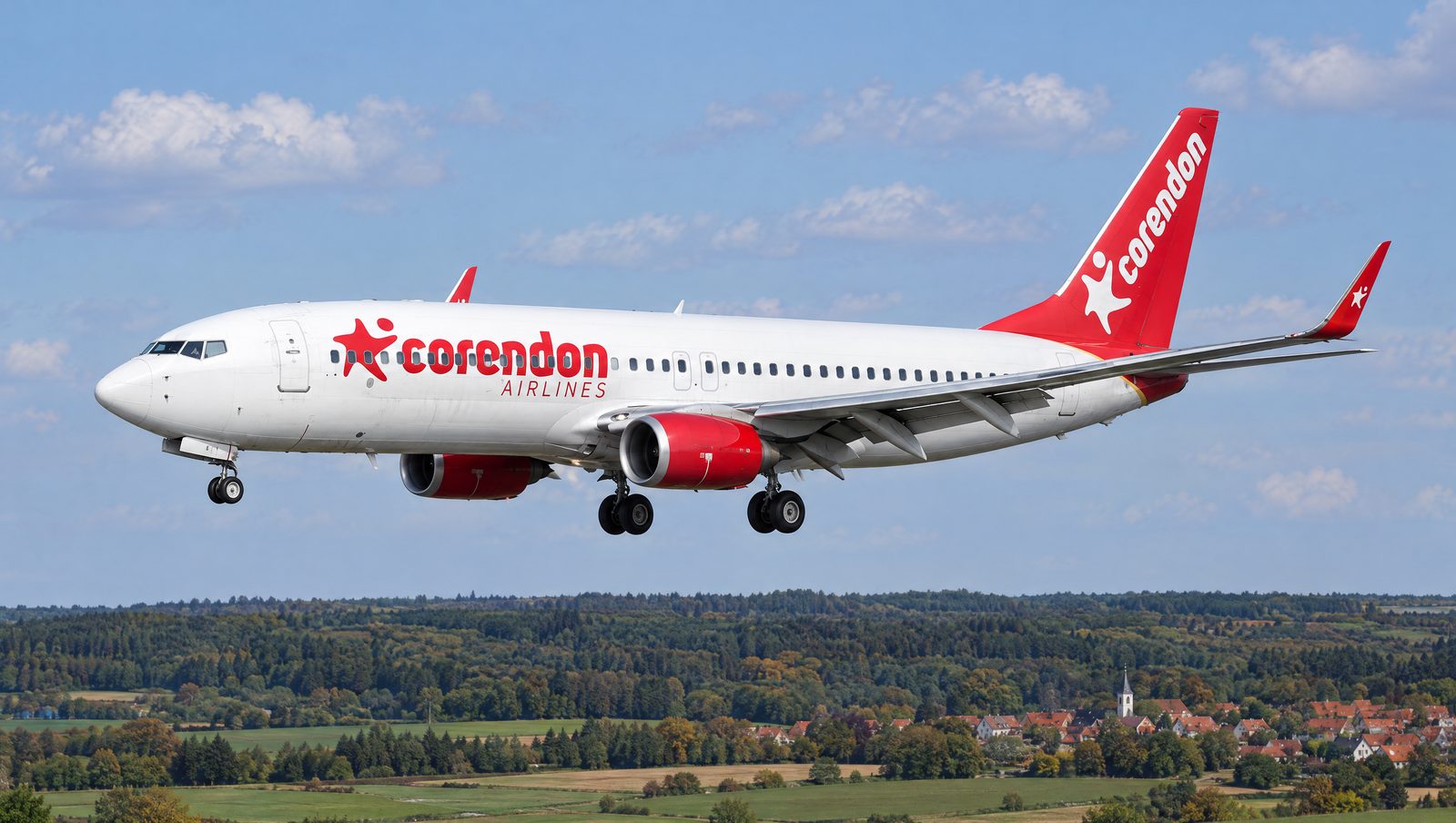
Compiled from publicly available aviation news sources. Featured image: AI-generated by AviationShop. This article is original editorial content; facts have been verified across multiple public sources.






Comments
Loading comments…