


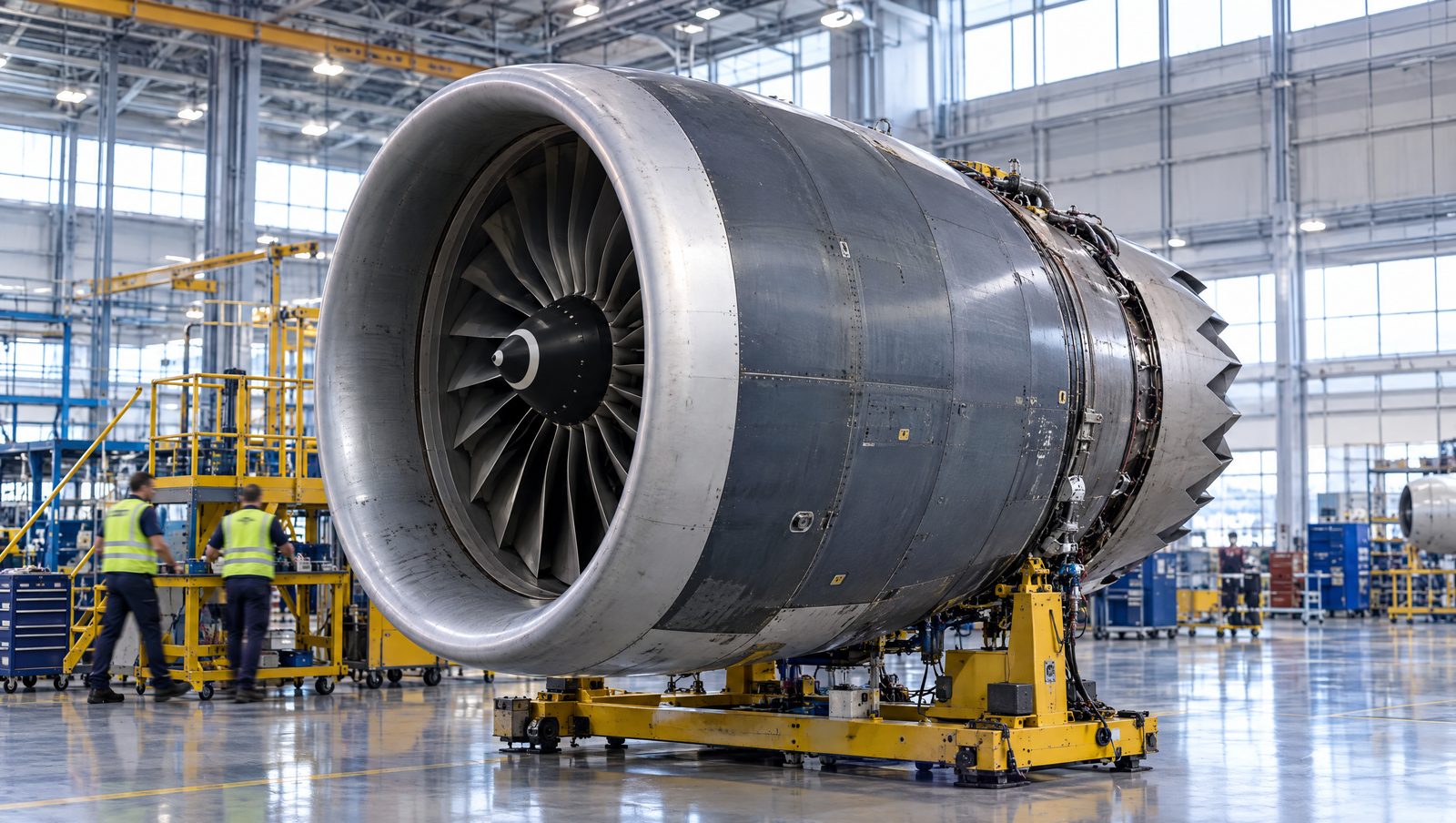
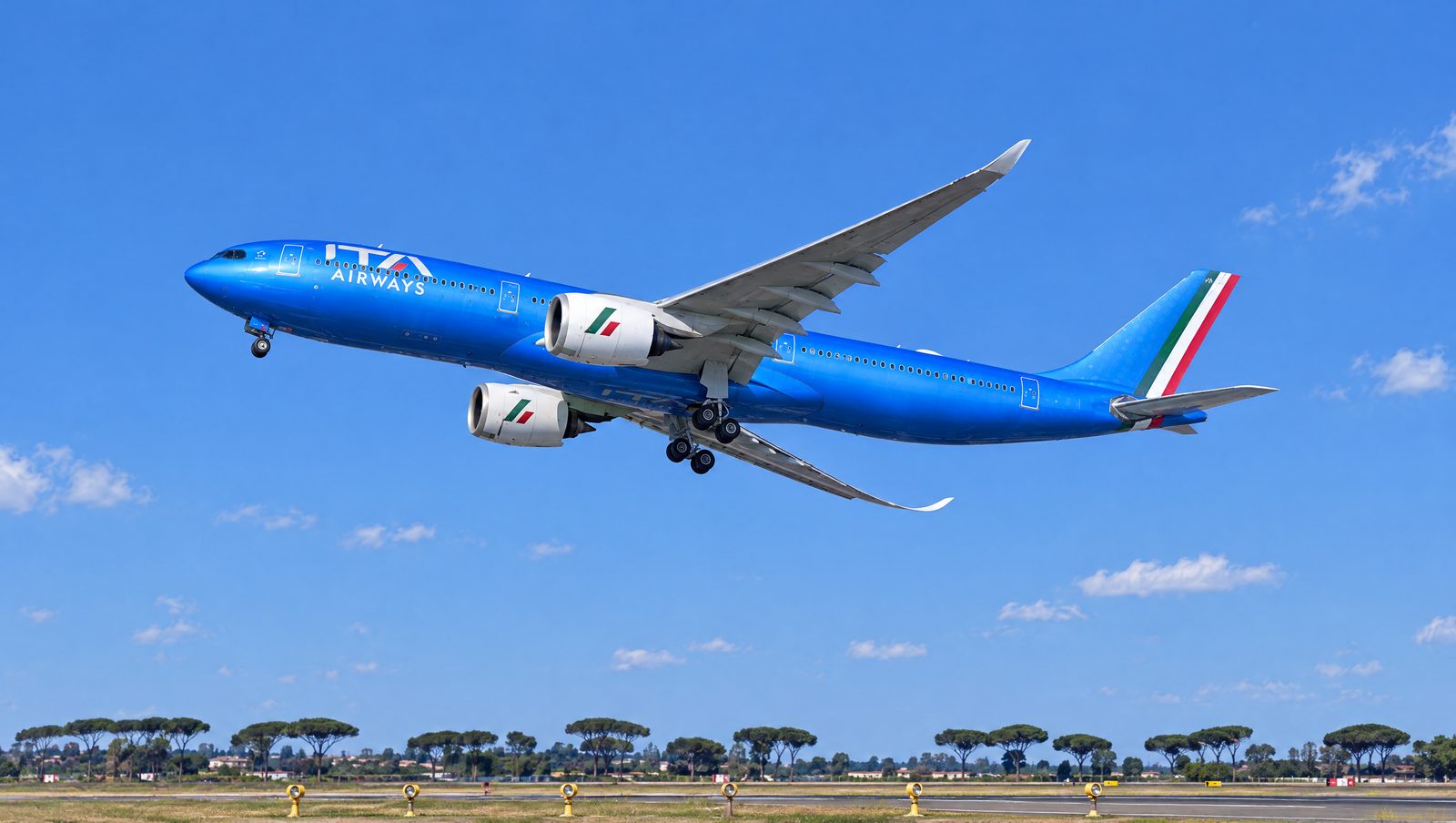
Irish lessor Avolon has ordered 70 Rolls-Royce Trent 7000 engines to power the 35 Airbus A330-900s it agreed to buy from Airbus earlier this month, AeroTime reported on 13 October 2026. The engine deal lands four days after Avolon’s triple-digit Airbus package and locks the only certified powerplant for the A330neo onto those airframes.
Seventy Trent 7000s for 35 A330neos
Rolls-Royce chief customer officer Ewen McDonald said on 13 October that Avolon remains an important customer and long-standing supporter of the Trent 7000 programme. Will Pitcher, Avolon’s head of powerplant strategy and asset solutions, called the A330neo one of the most capable and efficient widebodies on the market and said the order strengthens the lessor’s ability to support airline fleet renewal over the coming decade.
On 9 October Avolon announced a firm order for 35 A330-900s and 75 A320neo-family jets — 110 aircraft — plus options on a further 100. The Trent 7000 purchase covers the widebody half of that firm batch. AeroTime notes that Avolon’s total A330-900 order book now stands at 114 aircraft, while its A320-family backlog sits at about 650.
Why engines get their own headline
Airframe orders and engine orders are separate commercial contracts. The Trent 7000 is the sole engine offered on the A330neo, so every new A330-900 eventually needs a matching Trent deal, but lessors still announce the powerplant buy when it closes. For airlines that lease from Avolon, the practical point is that the 35 new A330neos are being provisioned with new Trent 7000s rather than left as airframe-only placeholders.
Rolls-Royce markets the Trent 7000 as delivering about 14 percent better fuel burn per seat than the previous-generation A330. That efficiency claim is the manufacturer’s; the AeroTime report repeats it in the context of Avolon’s justification for sticking with the type.
Context inside Avolon’s October shopping spree
The engine order should be read together with, not instead of, the 9 October Airbus announcement that Aviation Shop News already covered as a 250-jet Airbus-and-Boeing package in earlier reporting. The Trent story does not add more airframes. It adds the propulsion contract for the 35 A330-900s inside the Airbus slice.
No delivery months for the 70 engines are listed in the AeroTime summary reviewed here, and no airline lessees are named for the first A330neos in the batch. Those details usually surface later in lessor fleet plans and lessee press releases. For now the verified facts are the count (70), the engine (Trent 7000), the aircraft (A330-900), the buyer (Avolon), and the date of Rolls-Royce’s public welcome.
Lessors often stage airframe and engine announcements days apart so each OEM gets a clean news cycle. Avolon’s 9 October Airbus order dominated the airframe tally; the 13 October Trent 7000 buy completes the propulsion side for the A330-900s without changing the jet count. Investors tracking Rolls-Royce’s widebody backlog will count 70 firm Trent 7000s as incremental firm business tied to a named lessor, not a speculative campaign.
Avolon has not publicly named the first airline customers for these particular A330neos in the AeroTime piece. Placement typically follows months later once lease term sheets close. Until then, the order is best read as inventory build for the lessor’s widebody pipeline — 114 A330-900s on order in total — rather than as an immediate airline delivery story.




Comments
Loading comments…