


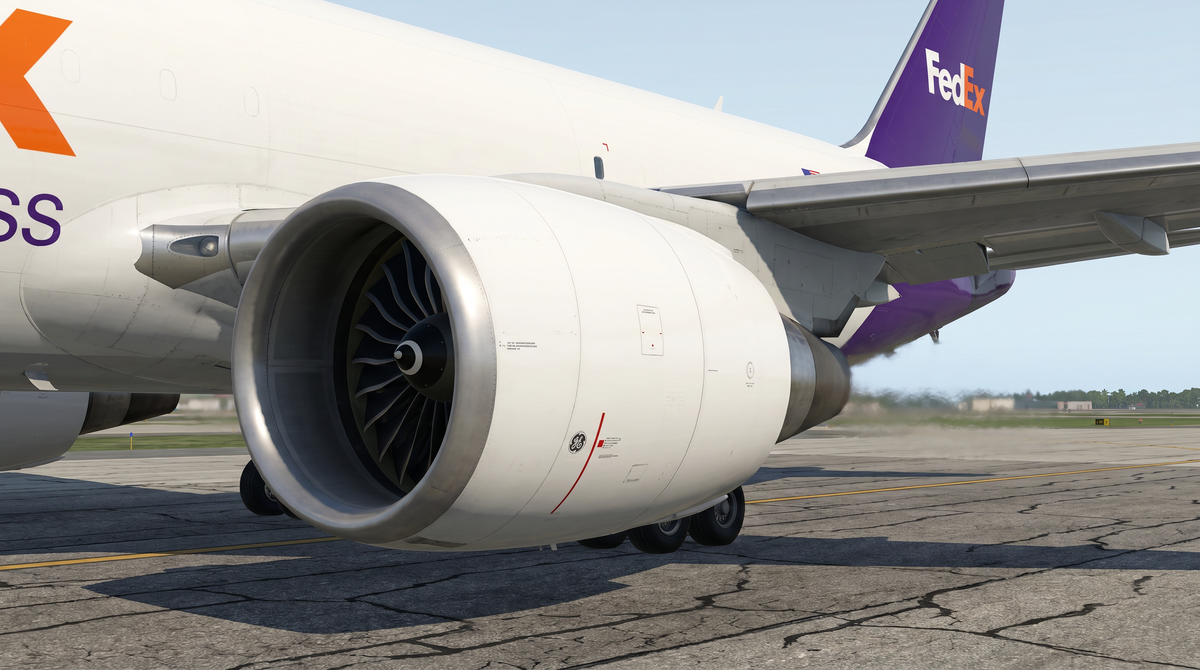
FedEx Express has retired its final Boeing 767-300F freighter, marking the end of an era for the cargo carrier's workhorse fleet. The aircraft, which has served the company's international and domestic operations for decades, represents the conclusion of FedEx's phase-out of the 767-300F variant as the carrier transitions to newer, more fuel-efficient aircraft like the Boeing 777F and Airbus A350F.
The Boeing 767-300F has been integral to FedEx's cargo operations since the 1980s, with the freighter variant proving particularly valuable for its payload capacity and range capabilities. The retirement of the final unit signals FedEx's commitment to modernizing its fleet and reducing operational costs through newer aircraft technology. The 767-300F's departure from FedEx's roster follows years of gradual fleet transitions as the company balances legacy aircraft retirements with strategic new-generation acquisitions.
This milestone reflects broader industry trends as major cargo operators worldwide evaluate their fleets in response to fuel costs, environmental regulations, and changing demand patterns. FedEx's decision to retire the 767-300F aligns with the carrier's long-term fleet strategy and sustainability goals. The aircraft's final flight concludes a significant chapter in both FedEx's operational history and the 767's legacy as one of aviation's most versatile twin-engine jets.
Compiled from publicly available aviation news sources. Featured image: AI-generated by AviationShop. This article is original editorial content; facts have been verified across multiple public sources.



Comments
Loading comments…