


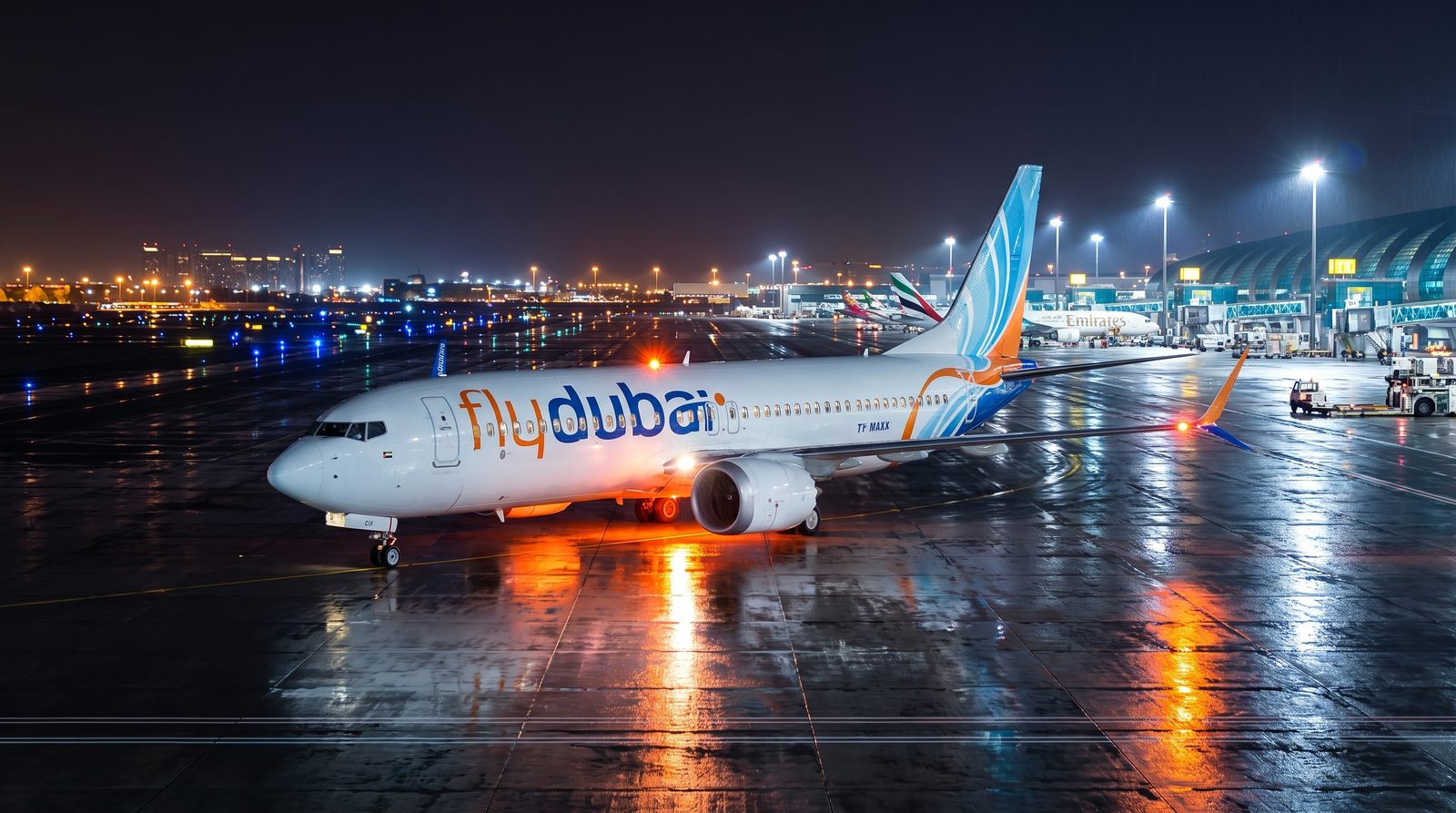
flydubai is finishing the job of standardizing Boeing 737 business class. One Mile at a Time reported on 15 September 2026 that the Dubai carrier will retrofit 21 Boeing 737 MAX 8 aircraft, replacing the quirky regional business product introduced in 2023 with the same flat-bed seats already flying on most of the fleet.
The retrofit window starts in September 2026 and is planned to run about 12 months, aiming for a consistent lie-flat business cabin on every flydubai jet that carries a business cabin by late 2027. All-economy frames without business class remain outside that promise; everything else is meant to look and feel the same when an aircraft swap hits the gate.
Context matters. flydubai originally flew recliner business on 737-800s, then introduced flat beds with early 737 MAX 8 deliveries from 2017, then complicated the story in 2023 with a regional recliner-style cabin on some new MAX 8s. In 2024 the airline already retrofitted its entire 737-800 fleet to the flat-bed standard. The new 21-jet MAX 8 program closes the last gap.
Commercially, consistency is the product story. Medium-haul sectors such as Bangkok, St. Petersburg, or Novosibirsk make lie-flat more relevant than a short Muscat hop, and Emirates-group passengers connecting onto flydubai metal benefit when the hard product matches what the brand sells. OMAAT notes flydubai also plans future Boeing 787 and Airbus A321neo flying; locking one 737 business seat type now reduces cabin chaos before widebodies arrive.
The report does not publish seat-maker part numbers or a exact seats-per-cabin count for the retrofit shipset, so those details stay out of this article. What is stated is the aircraft count (21 MAX 8s), the start month, the roughly year-long duration, and the end-state: one flat-bed business product across business-equipped 737s.
For travelers, the near-term tip is simple: a MAX 8 still wearing the 2023 regional cabin may appear until mid/late 2027, so check seat maps before paying for business on a specific tail. After the program completes, aircraft swaps inside the business-equipped fleet should hurt less.
flydubai remains a government-owned Emirates partner flying an all-Boeing 737 passenger core today. Standardizing flat beds is a product decision, not a fleet-order announcement, and it sits beside—not instead of—the carrier’s separate freighter wet-lease story already in recent coverage.
Fleet commonality also cuts training and catering complexity. Cabin crew briefed on one business hard product spend less time explaining why today’s MAX 8 has a recliner while yesterday’s had a bed. For a carrier that codeshares heavily with Emirates, predictable lie-flat delivery on medium-haul sectors reduces the gap passengers feel when an itinerary mixes EK widebody and FZ narrowbody coupons.
OMAAT’s timeline—start September 2026, finish late 2027—implies roughly one to two aircraft in the shops at a time if the 21-jet pool is paced evenly, though the article does not publish a hangar schedule. Until the program ends, seat-map diligence remains the passenger’s best defense against an unexpected regional cabin.
Sources: One Mile at a Time (15 Sep 2026).

Comments
Loading comments…