


Chicago O'Hare International Airport (ORD) dealt with two separate burst-tire events within hours of each other, as an arriving United Airlines Airbus A320 and an arriving American Airlines Boeing 737 each suffered tire failures after landing. The two occurrences happened in different parts of the airport and were unrelated, but they produced the same operational result for both carriers: each aircraft was removed from service for the remainder of the evening.
American Airlines flight 386 had just landed at O'Hare from New York LaGuardia Airport (LGA) when its tire issue occurred. United Airlines flight 739 had touched down in Chicago from Omaha (OMA). Both flights had completed their arrivals before the problems were identified, and there has been no indication that either event affected passengers on board beyond the disruption of taking the aircraft out of the schedule.
Why a burst tire ends an aircraft's day
A burst or deflated tire is one of the more routine technical faults in airline operations, but it is never a quick fix. Main-gear and nose-gear tires on commercial jets absorb enormous loads on touchdown, and a failed tire must be replaced before the aircraft can fly again. That work has to be carried out by qualified engineers with the correct wheel assembly on hand, and the surrounding brake unit, hydraulic lines and gear structure normally have to be inspected at the same time to confirm that debris from the failure has not caused secondary damage.
Because of that inspection requirement, an aircraft with a burst tire is typically taken off the line rather than turned around quickly, which is exactly what happened to both jets at O'Hare. For a hub carrier, that means the airframe drops out of its planned rotation and the flights it was due to operate have to be covered by a spare aircraft, delayed, or cancelled outright.
A busy airfield with little slack
O'Hare is one of the busiest airports in the United States and a primary hub for both United Airlines and American Airlines, so both carriers keep a large number of aircraft and a substantial maintenance presence on the field. That works in their favour when an aircraft goes technical: engineering support and spare parts are close at hand, and the chance of finding a replacement airframe is better than it would be at an outstation.
The flip side is density. Chicago's schedule is tightly packed, and an aircraft that becomes immobile on a taxiway or a remote stand can have knock-on effects that spread well beyond the flight it was operating. Both aircraft involved here were arrivals rather than departures, which limits the disruption compared with a tire failure during a takeoff roll, where a rejected takeoff and a runway closure are realistic outcomes.
Two events, no connection
The fact that two tire failures occurred at the same airport within a few hours is unusual enough to draw attention, but there is nothing so far to suggest a common cause. The aircraft involved are from different manufacturers, operated by different airlines, and were parked in different parts of the airfield. Tire failures can be triggered by a wide range of factors, from foreign object debris on the pavement to a hard landing or an undetected pre-existing defect, and each case is normally examined on its own terms by the operator's engineering department.
Neither carrier has published a technical explanation for either event at this stage.
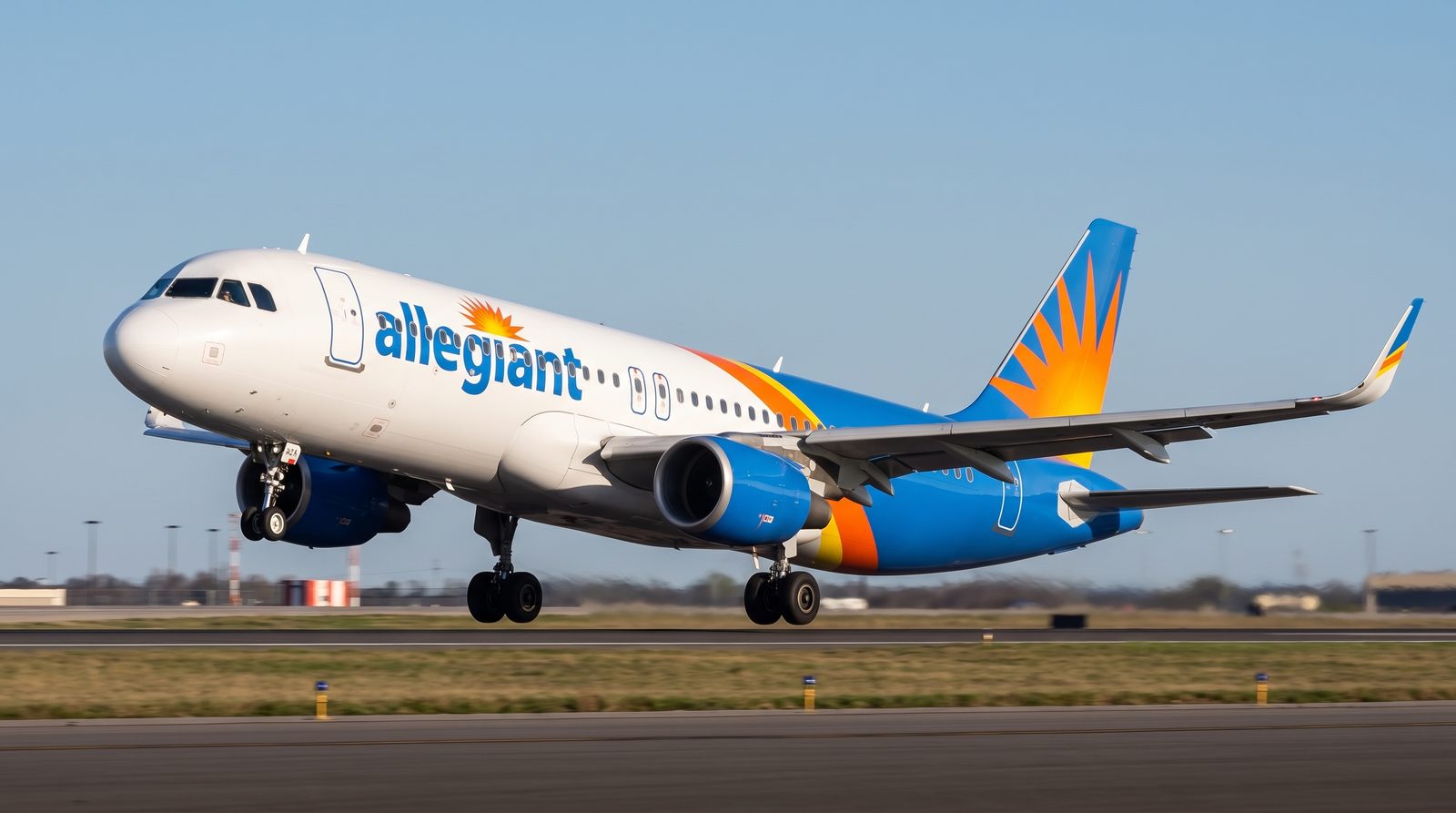
Sources: Simple Flying. Featured image: AI-generated by AviationShop. By Elena Vargas.





Comments
Loading comments…