


Emirates operates approximately 118 Airbus A380s — more than every other A380 operator in the world combined. The airline plans to keep the type flying until at least 2040. Those two facts, taken together, have quietly turned a retired superjumbo into one of the more valuable objects in commercial aviation, and not because anyone wants to fly it.
The A380 has been out of production since 2021. That single date reshapes the economics of every remaining airframe, because it means the supply of new replacement parts is finite and shrinking, while the demand for them is not.
A closed parts loop
Every additional year Emirates keeps its A380s in service generates demand for engines, landing gear and components that are increasingly difficult to source from the manufacturer. When a production line closes, the aftermarket does not close with it. Instead, the burden of keeping a fleet airworthy shifts from the factory to the salvage yard.
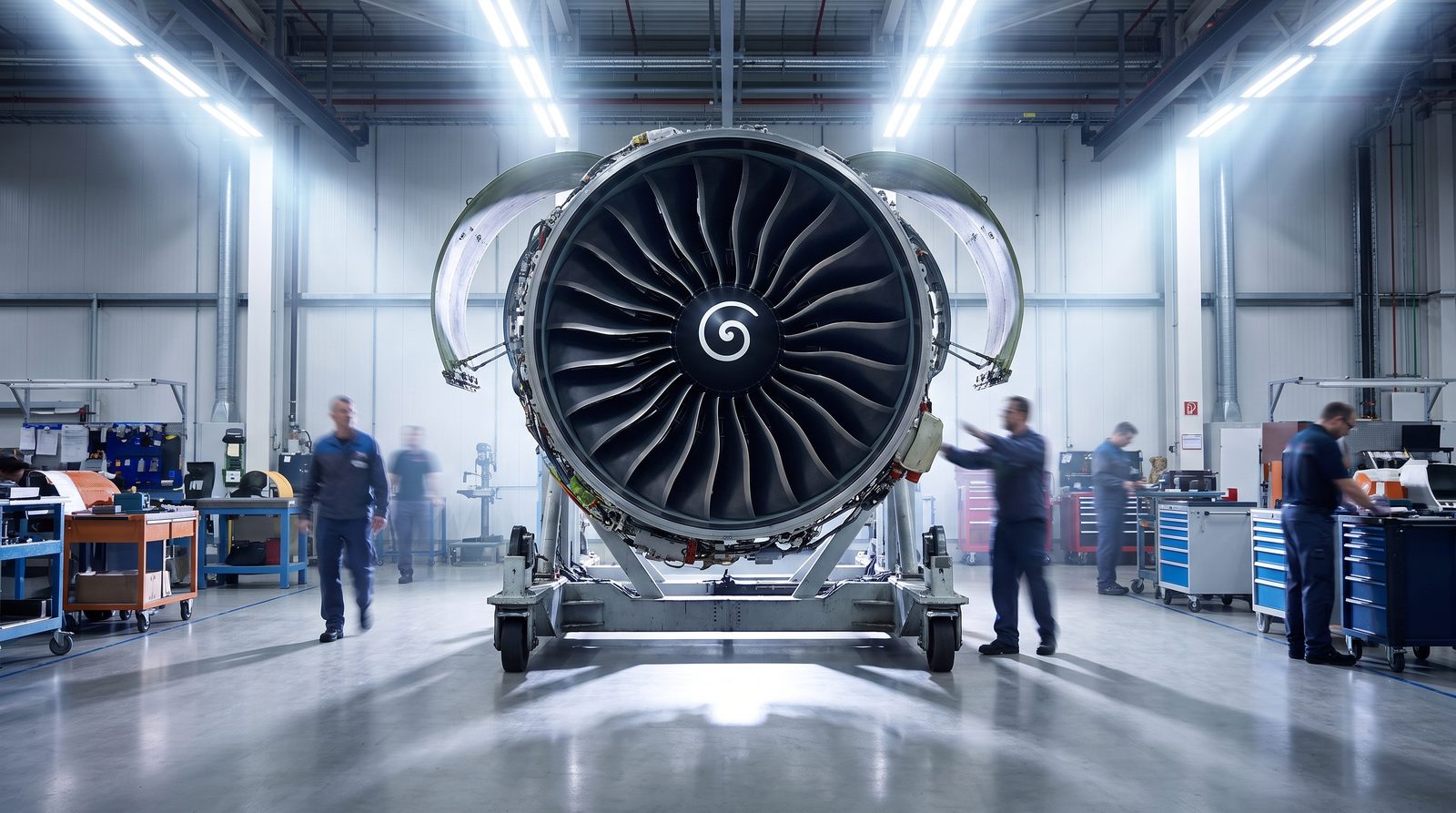
That inversion is what makes a retired A380 valuable. An airframe that has come out of service is no longer a revenue-earning asset, but it is a warehouse of components — engines, gear assemblies, avionics, structural sections — that are broadly interchangeable with the aircraft still flying. For an operator running the world's largest A380 fleet with a stated horizon out to 2040, that warehouse is strategic, not incidental.
The 777X delay effect
The pressure has been intensified by delays to Boeing's 777X. Those delays have forced Emirates to fly its oldest A380s longer than originally planned — a scheduling problem that becomes an engineering one.
The oldest aircraft in a fleet are the ones with the most accumulated cycles, the shortest intervals between heavy maintenance visits and the highest appetite for spare parts. Keeping them flying past their intended retirement point does not merely extend their service life; it accelerates the rate at which the fleet as a whole consumes components from a pool that cannot be replenished from the production line.
Scale cuts both ways
Emirates' dominance of the type is usually described as a strength, and operationally it is: the airline has unmatched depth in A380 crewing, maintenance and infrastructure. But operating more A380s than the rest of the world put together also means Emirates cannot rely on a broad global aftermarket the way an operator of a common narrowbody can. There is no deep pool of other carriers' surplus airframes waiting to be picked over.
In practice, the world's largest A380 operator is also the world's most exposed A380 operator. When a component becomes hard to source, Emirates feels it first and hardest, simply because it has the most aircraft asking for that component.
A long tail, planned for
None of this suggests the A380 is in trouble at Emirates. A stated intent to fly the type until at least 2040 is a fifteen-year commitment made with full knowledge that the production line closed years ago, and it implies a deliberate long-term strategy for sourcing what the fleet will need.
It does, however, explain a shift in how these aircraft are valued. For an out-of-production widebody with a shrinking spares pool and an operator determined to fly it for another decade and a half, the arithmetic can invert: the airframe on the ground is worth more disassembled than it would be back in the air.
Sources: Simple Flying. Featured image: AI-generated by AviationShop. By Daniel Okafor.


Comments
Loading comments…