



Vietjet Air has expanded its agreement with Collins Aerospace to add FlightSense support for 44 additional Airbus A320neo-family aircraft powered by Pratt & Whitney GTF engines. RTX announced the contract amendment on October 12, extending technical and maintenance coverage as the Vietnamese airline develops its narrowbody fleet.
Collins says the arrangement is intended to provide guaranteed component availability, more predictable maintenance costs and reduced aircraft downtime. The programme uses the company’s Ascentia analytics platform to help translate aircraft data into maintenance decisions. The announcement links that support to improved fleet reliability and operating efficiency.
Jen Latka, Collins’s vice president of aftermarket for Power and Controls, said the service would help turn data from Vietjet’s A320neo-family and A321XLR aircraft into more predictable maintenance requirements. Vietjet chief operating officer Michael Hickey linked the expanded agreement to stronger engineering administration and the airline’s fleet and network expansion plans. RTX announcement.
AeroTime’s October 12 report also identifies All Nippon Airways, Singapore Airlines and Royal Brunei Airlines as FlightSense customers. Its coverage confirms that the Vietjet amendment applies to the additional 44 GTF-powered aircraft and connects the support agreement with the airline’s earlier selection of engines for that group of jets. AeroTime report.
That earlier agreement was announced on February 4, 2026, at the Singapore Airshow. Vietjet and Pratt & Whitney identified the aircraft as 24 A321neos and 20 A321XLRs, bringing Vietjet’s total orders for GTF-powered aircraft to 137 at the time. The February announcement scheduled deliveries to begin in July 2026.
Pratt & Whitney also agreed to provide engine maintenance under a 12-year EngineWise Comprehensive service agreement. The engine-support arrangement forms the earlier maintenance commitment described in the February announcement; the October Collins amendment adds FlightSense technical and component support. Collins and Pratt & Whitney are both businesses within RTX.
The engine relationship predates both announcements. Vietjet received its first A321neo in 2018, according to the February release. Pratt & Whitney described the additional selection as a continuation of a relationship dating back a decade, with the airline using the engine family to support its growth and network development. February engine agreement.
Collins describes FlightSense as a full-lifecycle service offering that can be tailored to the level of support an airline requires. Its general product description combines repair and asset services with analytics, allowing airlines to select support according to their operating needs and the responsibilities they wish to place with the supplier.
Ascentia provides aircraft-health information through visualisation tools intended to support maintenance planning. Collins says the platform draws on physics-based data, statistical analysis and machine learning. These capabilities sit within a wider aircraft-data ecosystem that also includes its InteliSight data-management technologies. The product description explains how data analysis and service support are designed to work together.
The company says Ascentia-based intelligence is included across its FlightSense support levels. Its published performance examples relate to specific Boeing fleets and components, while the Vietjet announcement describes the intended benefits of the new agreement without publishing a quantified improvement target for the airline. The contract value and duration of the FlightSense amendment were not disclosed. Collins FlightSense product information.
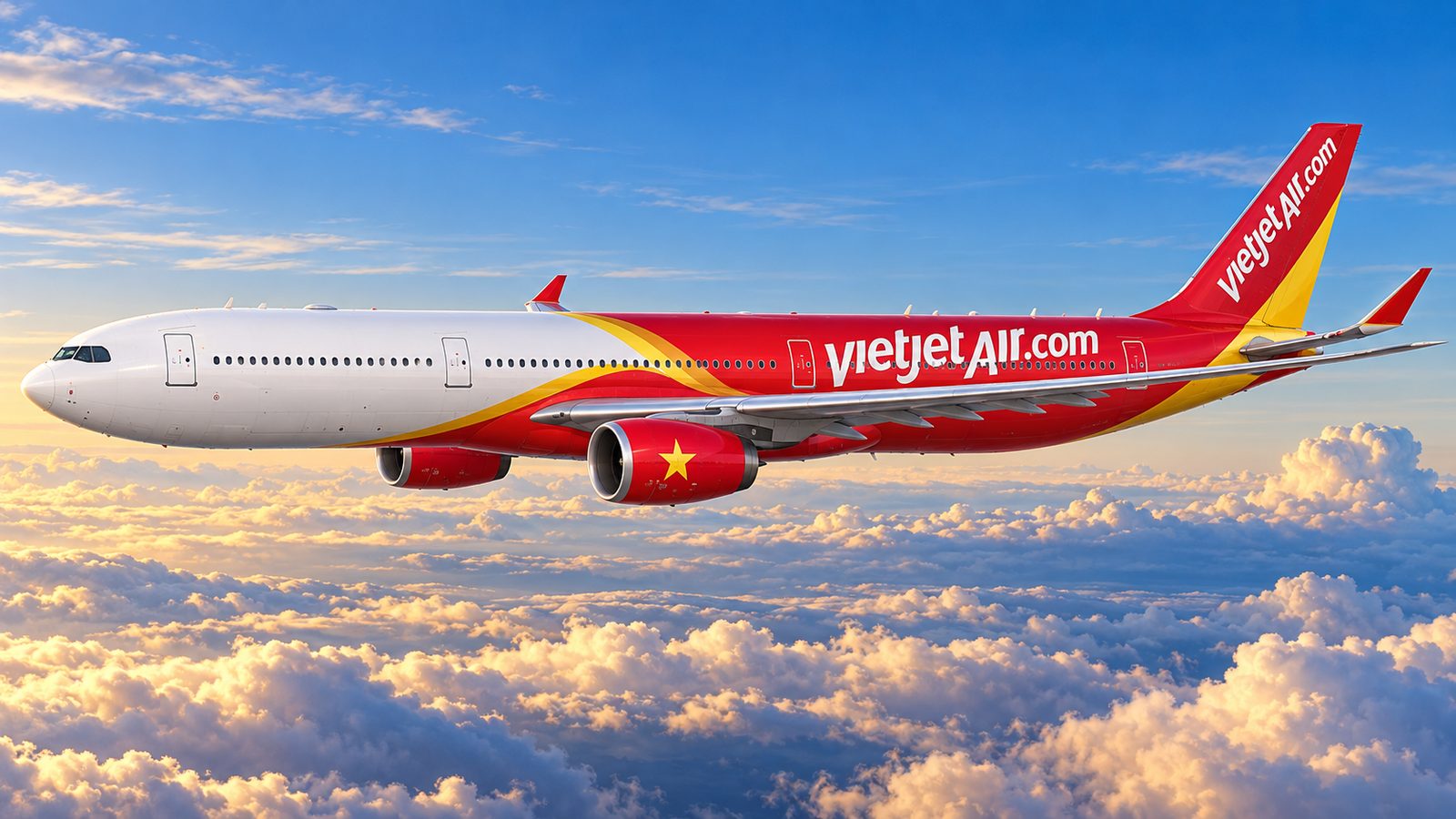
Image: AI-generated editorial illustration, not a photograph of the announced event.









Comments
Loading comments…