


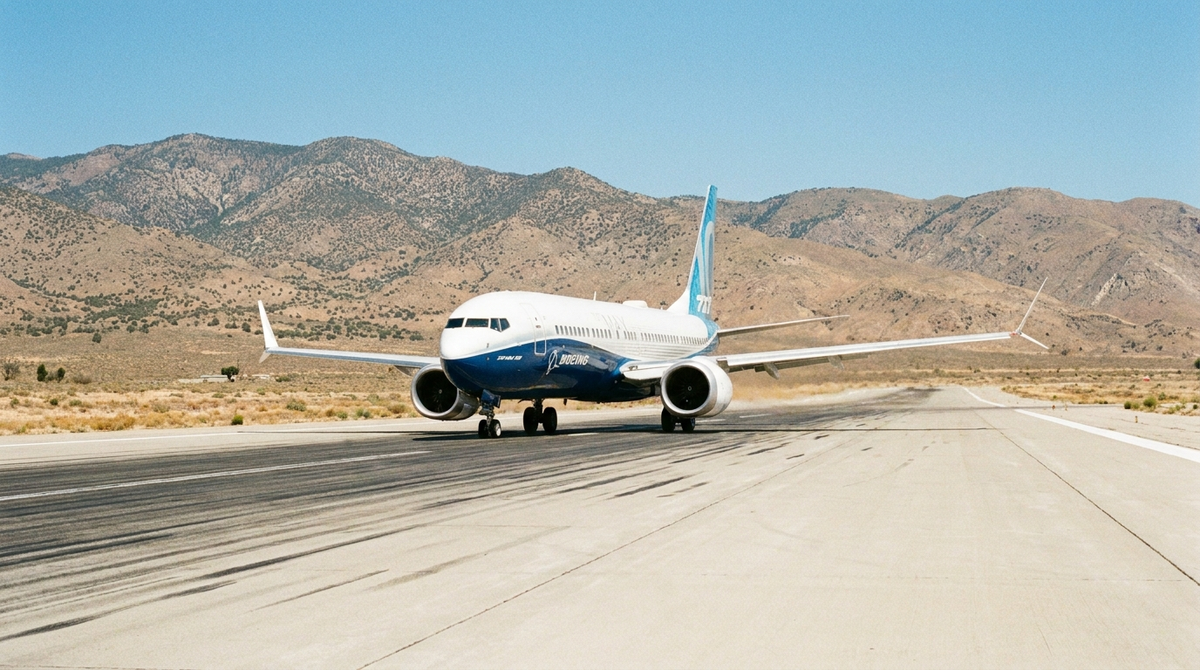
Boeing has cleared one of the most punishing milestones on the road to certifying the 737 MAX 10, the largest member of the MAX family. At Edwards Air Force Base in California's Mojave Desert, a test crew accelerated the jet to 180 knots — roughly 207 miles per hour — then brought it to a complete stop using nothing but brakes that had been deliberately worn down to within two percent of their allowable service life.
The maximum brake energy test, or MBE, is designed to simulate the absolute worst-case scenario for a rejected takeoff. Engineers loaded the 737-10 to its maximum takeoff weight of 197,900 pounds and disabled thrust reversers, forcing the aircraft to rely entirely on its braking system. Test pilot Captain Kevin Zeznick pushed the throttles forward, built speed down the 15,000-foot military runway, and then cut power and applied maximum braking force. The aircraft came to rest at approximately 11,000 feet.
What happened next was equally critical. The test crew held position for five full minutes — the standard certification interval representing how long it would take airport rescue crews to reach a disabled aircraft on a real runway. During that hold, the kinetic energy absorbed by the brakes converted into extreme heat, with temperatures inside the brake assemblies climbing above 2,500 degrees Fahrenheit. All four brake units survived the mandatory five-minute window before firefighters moved in to cool the assemblies.
Boeing's engineering team designed a new five-rotor brake stack with a longer torque tube specifically for the MAX 10, which the company describes as the highest-performing brake ever fitted to a 737. Flight Test Engineer Lauren Auerbach confirmed that brake pressure, energy absorption, and anti-skid performance all matched pre-test calculations, and both the acceleration and stopping distances came in close to predictions.
The successful MBE test moves the 737 MAX 10 another step closer to FAA certification, which Boeing and airline customers such as Ryanair expect could come as early as the third quarter of 2026. First deliveries would follow shortly after, with Ryanair anticipating its initial MAX 10 aircraft in early 2027. Boeing still has additional certification work ahead, including resolving an engine inlet anti-ice issue on the CFM LEAP-1B powerplant, but the brake test result removes one of the most demanding hurdles from the checklist.
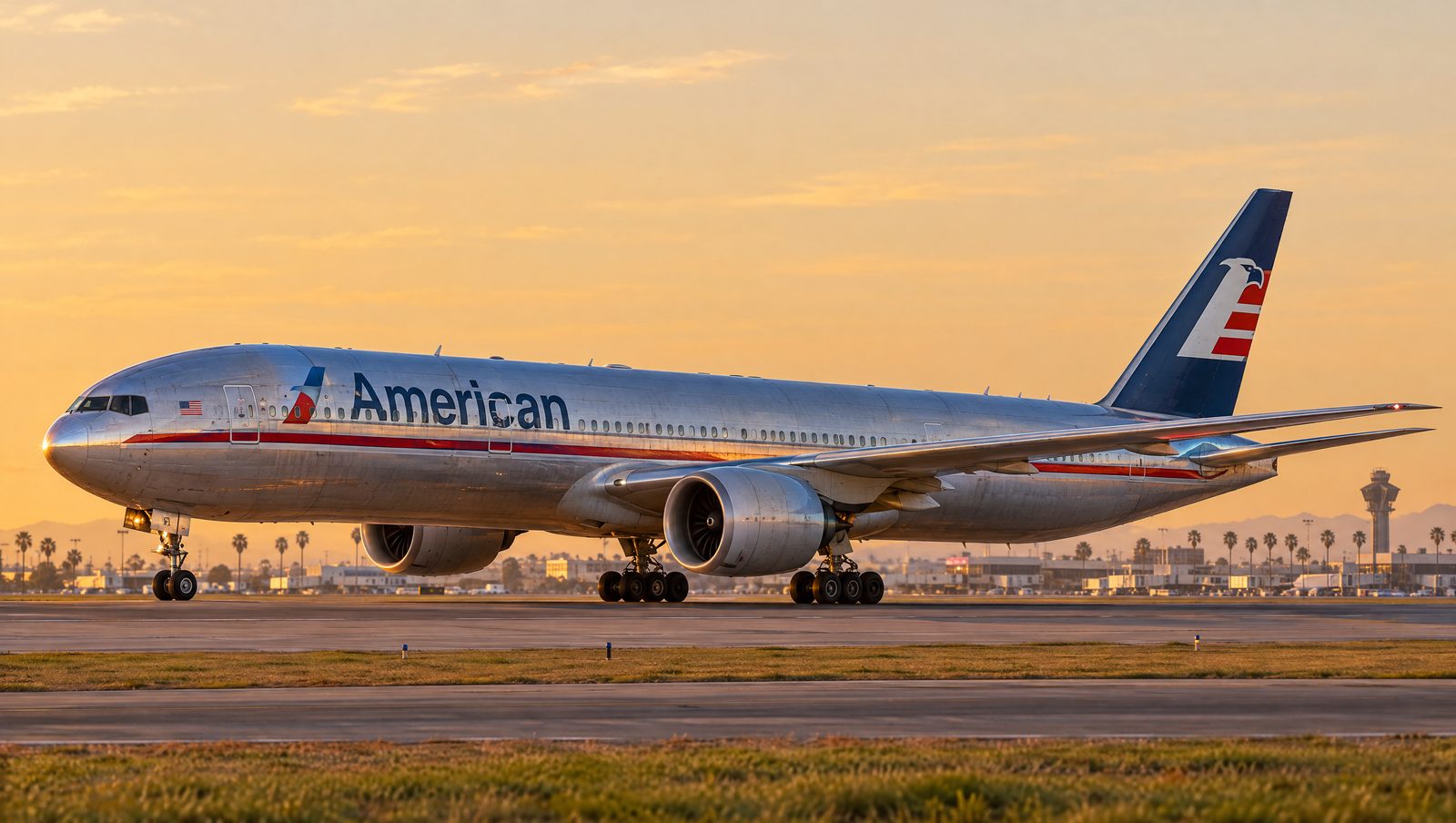
Compiled from publicly available aviation news sources. Featured image: AI-generated by AviationShop. This article is original editorial content; facts have been verified across multiple public sources.










Comments
Loading comments…