


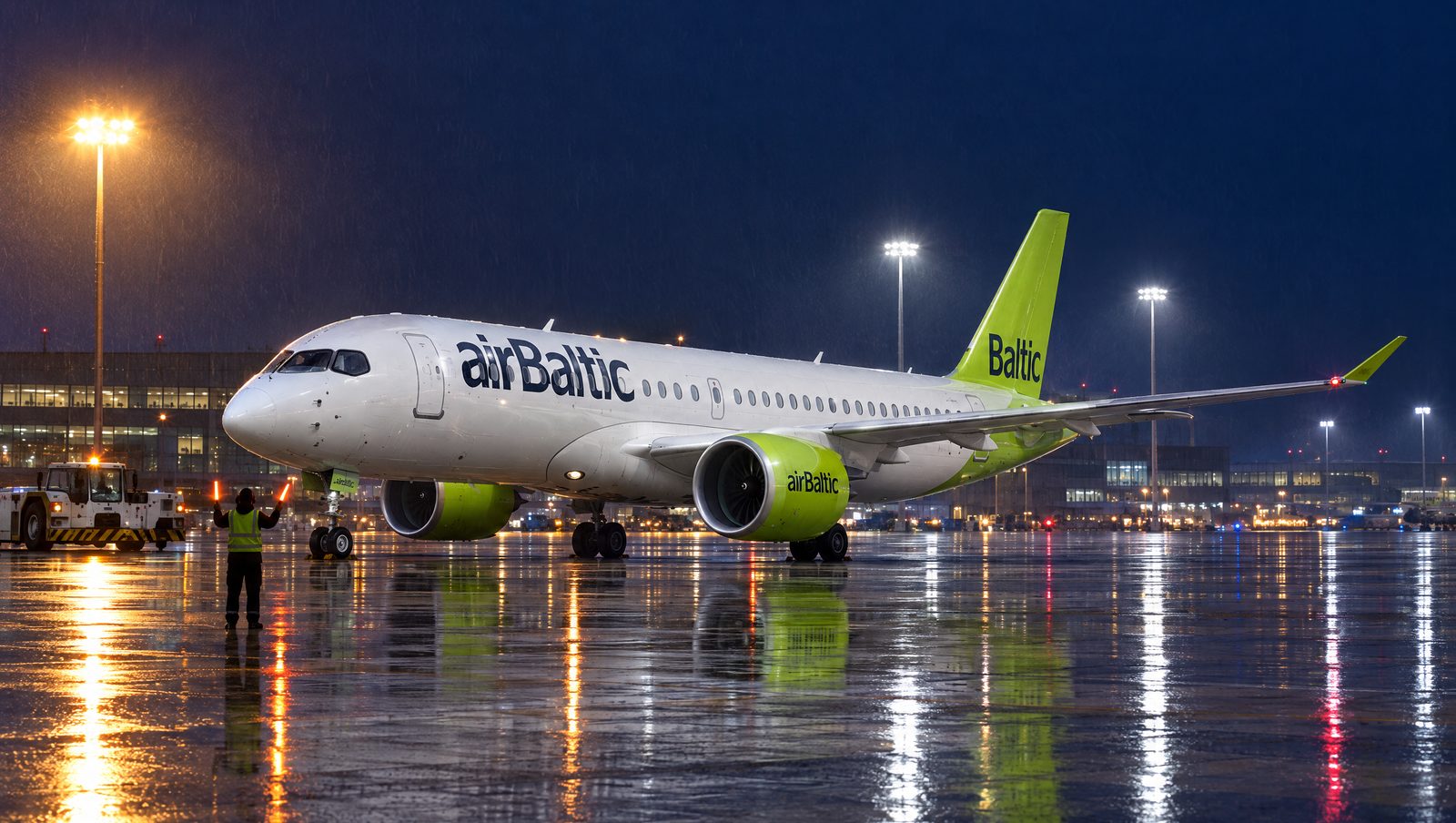
airBaltic swung to a net loss of €58.1 million in the second quarter of 2026, against a profit of €27.6 million a year earlier, as a surge in fuel costs wiped out the gains from higher revenue and a fast-growing wet-lease business. The Latvian airline's unaudited first-half results, published as it works through a Chapter 11 restructuring in the United States, show a January-to-June net loss of €128.2 million, compared with a loss of €1.7 million in the first half of 2025.
Growth on the operating side
The underlying business kept growing. According to Aviacionline, second-quarter revenue rose 15.3% to €250.1 million, helped by better fares, more passengers and its ACMI business, in which airBaltic leases out aircraft together with crew, maintenance and insurance to other airlines. Its own network carried 1.41 million passengers, up 3.2%, while total passengers including flights for other carriers reached 3 million, up 17%.
airBaltic operated 27,200 flights in the quarter, 19.1% more than a year earlier. ACMI flying accounted for most of the growth, with 13,900 flights, up 35.5%, against 13,300 flights on its own network, up 5.7%. Load factor slipped 0.8 percentage points to 79.4%. On average, about 26 aircraft were leased to other airlines in the quarter, up from 19 a year earlier.
There was also relief on the engine front. No aircraft were out of service in the first half because of Pratt & Whitney engine problems, compared with an average of 11 grounded aircraft in the same period of 2025.
Fuel ate the profit
Fuel spending jumped 79.6% to €66.1 million in the second quarter. airBaltic blamed the escalation of the conflict in the Middle East, which pushed fuel prices up, forced longer routings around closed airspace and led it to suspend flights to Tel Aviv and Dubai. The airline cancelled about 5.7% of its planned schedule between March and October, and estimates the total impact of higher fuel prices in the quarter at €29.3 million.
Staff costs and the price of carbon emission allowances also rose. Adjusted EBITDAR fell to €27 million from €55.2 million, and adjusted EBITDA fell to €22.8 million from €45.1 million. Currency movements, higher depreciation from fleet growth and higher financing costs added to the bottom-line loss.
For the first half as a whole, revenue grew 14.2% to €399.2 million, with ticket revenue up 7.4% and ACMI revenue up 36.5%. A large part of the swing came from exchange rates: a €65.7 million currency gain in the first half of 2025 turned into a €21.2 million loss this year.
A smaller airBaltic under Chapter 11
airBaltic filed for Chapter 11 in the U.S. Bankruptcy Court for the Southern District of New York on September 14, 2026, and says flights, tickets and sales continue as normal. It entered the process with commitments for up to €350 million in debtor-in-possession financing, of which a first €140 million tranche has been approved. The court has also approved motions allowing the airline to keep its critical aviation contracts, insurance and customer programs running. A hearing on the remaining financing has been moved to October 19, and some bondholders have objected to the terms that would give new lenders priority over existing collateral.
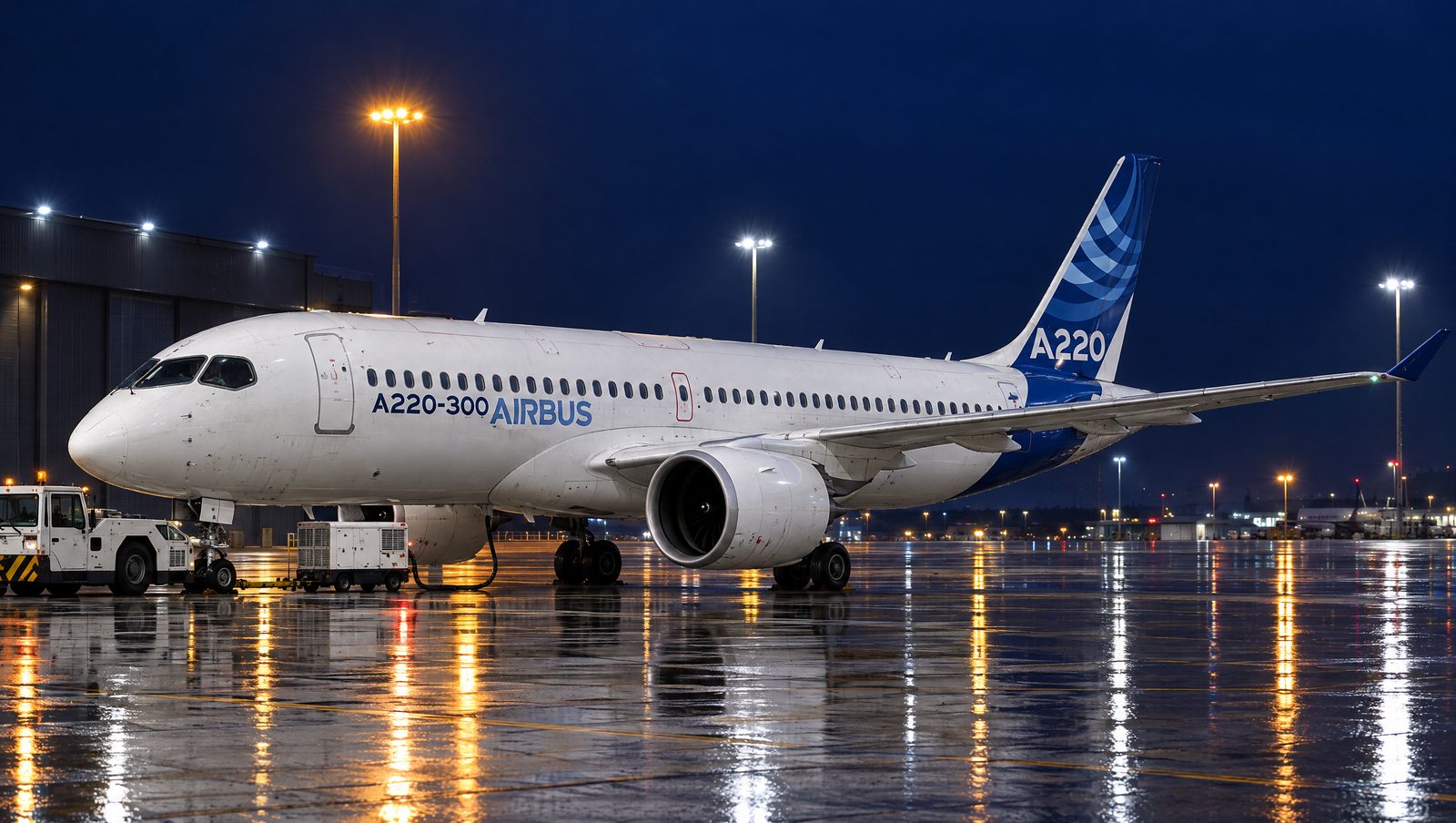
The restructuring plan approved in August calls for a much smaller fleet. airBaltic plans to operate 36 Airbus A220-300s at the end of 2026, down from 54 today, and then grow gradually to 40 aircraft by 2031, with a network concentrated on Riga and more year-round ACMI work. The earlier plan that accompanied its stock market listing had envisaged 100 aircraft. According to a court filing cited by Reuters, the airline will use Chapter 11 to cancel or defer outstanding deliveries from an order for 40 Airbus aircraft, and it recently said it plans to cut about 20% of its workforce.
Chief executive Erno Hildén, who took over in December 2025 and previously led SAS through its own Chapter 11 process, said the situation "requires us to be more disciplined and focused on the way we operate the business." The company expects to complete the restructuring around mid-2027.
Sources: Aviacionline, aero.de, The Baltic Times, BB.LV.


Comments
Loading comments…