



Carl Icahn's activist position in JetBlue Airways has largely unwound, and with it the two board seats that came with it. Icahn Capital sold roughly 8.13 million JetBlue shares between 17 and 20 August 2026, cutting the Icahn Group's stake to about 3.32 percent from a holding that had approached 10 percent. On 24 August the group's two designees on the JetBlue board, Jesse Lynn and Steven Miller, resigned.
The resignations were not a dispute. Under the 2024 agreement that gave Icahn representation in the first place, the board seats were conditioned on maintaining a minimum level of beneficial ownership. Once the stake fell below that threshold, the seats went with it, and the board shrinks accordingly.
The arrangement dates to February 2024, when Icahn disclosed a position in JetBlue and secured two directorships shortly afterwards. The thesis at the time was straightforward: JetBlue was trading well below what an activist investor considered its underlying worth, and a shareholder with board access could push for changes that closed the gap. That was the period immediately after the blocked Spirit Airlines merger, when JetBlue's strategic direction was genuinely unsettled and its share price reflected it.
Two and a half years later, the position has been sold down rather than escalated. Icahn remains the third-largest shareholder in the carrier at the reduced level, so this is a trimming rather than a complete exit, but the loss of board representation is a meaningful change in the relationship. An investor with directors in the room has a different kind of influence from one holding a minority stake and reading the same disclosures as everyone else.
For JetBlue's management the immediate effect is a smaller board and one fewer external voice with a defined agenda. The airline has spent the period since the Spirit deal collapsed reworking its own plan — route pruning, premium cabin investment, and a general shift away from the growth-at-any-cost posture that characterised the years before. Whether Icahn's departure from the boardroom signals satisfaction with that direction, a judgement that the value opportunity has run its course, or simply a portfolio decision unrelated to JetBlue specifically, is not something either side has spelled out.
Activist positions in US airlines have a mixed record. The sector is capital-intensive, cyclical and exposed to fuel and labour costs that no board can control, which makes it a difficult place to force value creation on an activist's timetable. Several high-profile campaigns in the industry have ended in partial exits of this kind rather than the structural changes originally sought.
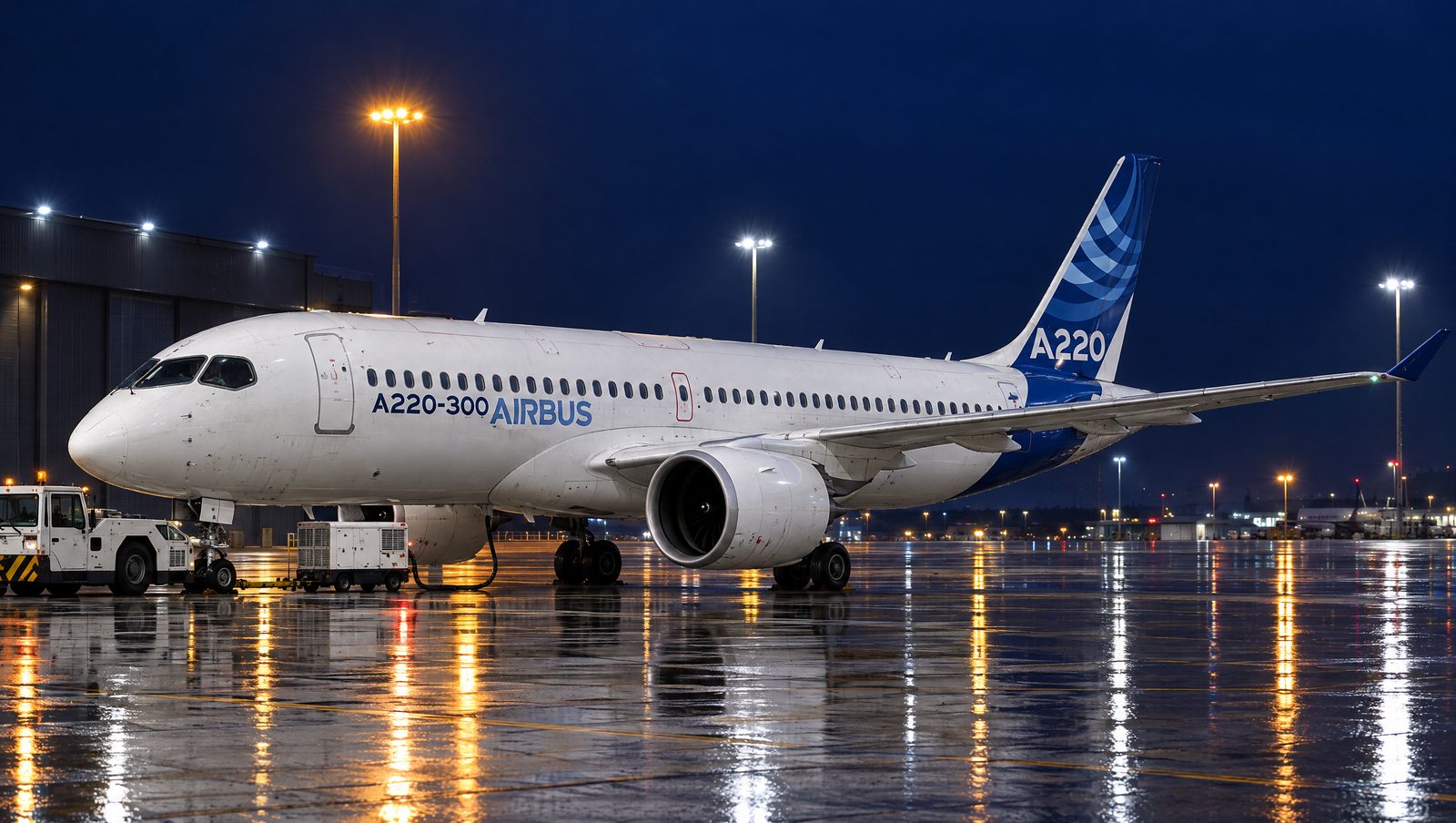
JetBlue continues to operate an Airbus narrowbody fleet built around the A320 family and the A220, with its transatlantic flying handled by the longer-range A321LR. None of that changes because of a boardroom reshuffle. But governance changes at this level are watched closely by investors, because they alter who is asking management questions and how often.
The airline has not announced whether it intends to fill the two vacated seats or operate with a smaller board going forward.
Sources: FlightGlobal, AirlineGeeks. Featured image: AI-generated by AviationShop. By Marco Bianchi.









Comments
Loading comments…