


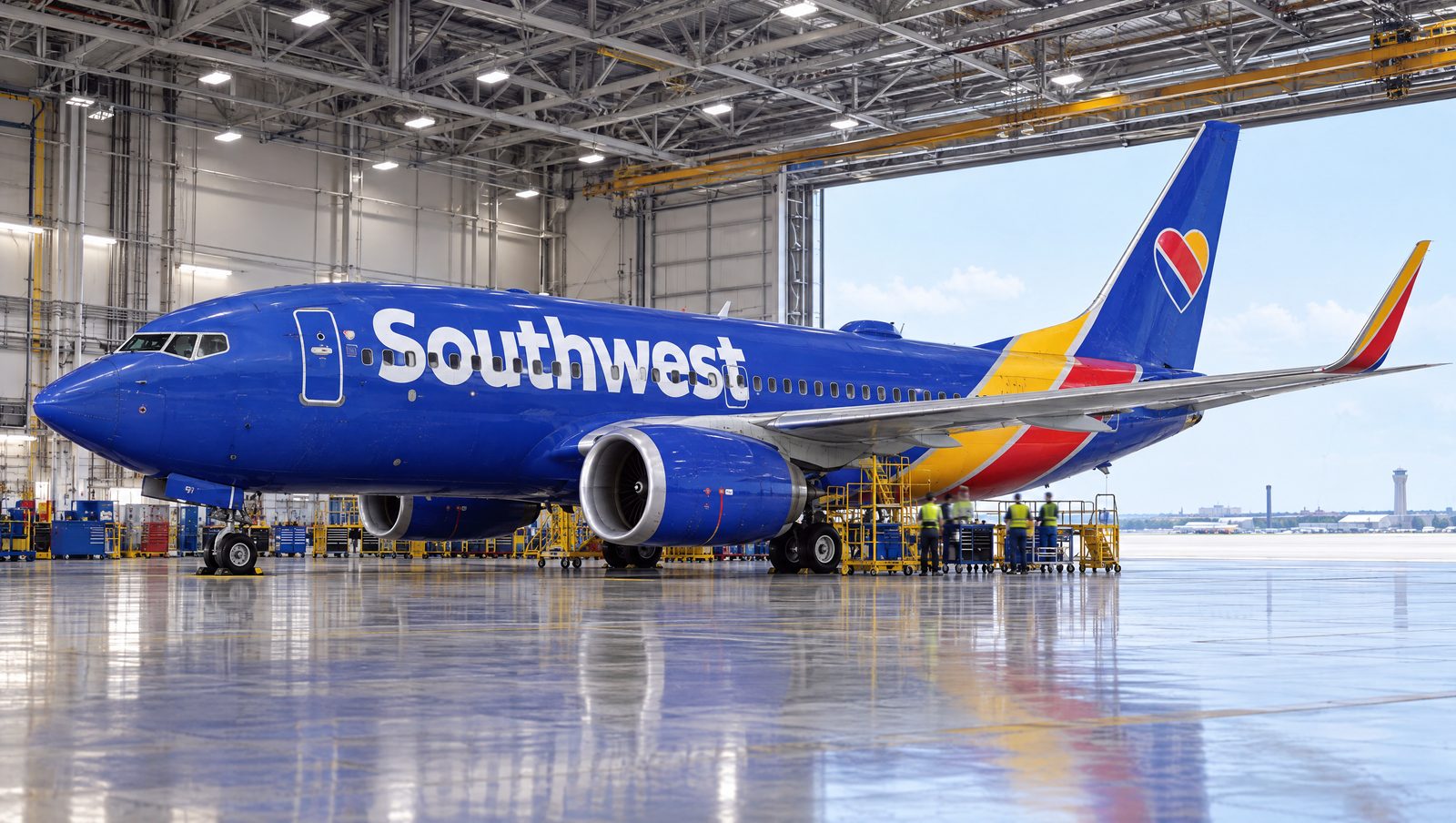
Seven airlines at Austin-Bergstrom International Airport have signed ten-year leases that will fund a roughly $5 billion modernization program, nearly doubling the airport from 34 gates to 66 without using local taxpayer money. Southwest Airlines, Delta Air Lines, United Airlines, American Airlines, Alaska Airlines, FedEx and UPS finalized the Airline Use and Lease Agreement as the City of Austin pushes ahead with Concourse B, taxiway work and terminal upgrades that will not fully open until the early 2030s.
Why carriers are writing the checks
Austin-Bergstrom was designed for about 11 million passengers a year. It already handles around 15 million and is on track for a record 22 million by the end of 2026, according to Simple Flying's report on the airport's traffic surge, driven by Central Texas's tech boom and big events such as SXSW and Formula 1. Pushing that volume through 34 active gates has produced regular gridlock on the apron and in the terminal.
Mayor Kirk Watson said at the January announcement of the cooperative expansion that the project will "define the expansion of the future" for Central Texas aviation. Airport CEO Ghizlane Badawi said the airline commitment supplies the financial foundation needed to modernize facilities and support long-term growth. The City of Austin has said zero local taxpayer dollars will fund the enhanced terminal; boarding fees and airline rents will recover the cost.
What $5 billion buys
The Journey with AUS program includes a new 700,000-square-foot midfield Concourse B with 26 gates and a tunnel under the tarmac to the Barbara Jordan Terminal. Westgate and infill work will add 84,500 square feet, replace 12 older passenger boarding bridges and add three new gates, plus an open-air observation deck and quieter seating. A new Yellow parking garage will add about 7,000 spaces. The old Red garage will make way for an Arrivals and Departures Hall, and international arrivals will gain a 20,600-square-foot customs area.
Airside, the airport is building about two miles of parallel taxiways and connecting bridges so aircraft can route around midfield without stopping runway or gate operations. Baggage systems are being upgraded for up to 30 million passengers a year, with 1.5 miles of new conveyors rated at 4,000 bags an hour.
Gate politics and passenger fees
Talks that began in August 2025 started around 20 extra gates; airlines lobbied for more, and Austin approved 12 beyond that opening ask, lifting the program estimate from about $4 billion to more than $5 billion. Some reports put the true figure closer to $5.5 billion or even $6.5 billion. Airport finance chief Rajeev Thomas has told commissioners boarding fees could rise from roughly $15 to about $20 per departing passenger.
In Austin's non-hub market, gate control is competitive strategy. Southwest locked in 18 gates to support its crew base; Delta secured 15 gates and has invested about $250 million in terminal upgrades. American took nine gates it will not fully use until the next decade and faces use-it-or-lose-it rules. Signatory airlines fund their share through escalating rents and landing fees; non-signatory carriers pay a 15% premium on airport fees.
For passengers, the near-term story is higher facility charges and crowded gates until Concourse B opens. For the airlines, the lease is a decade-long bet that Austin's traffic will keep growing fast enough to justify writing the check now.
Sources: Simple Flying, City of Austin / Austin-Bergstrom International Airport, Bisnow.
Comments
Loading comments…