


Europe's newest carbon rules do not ban old aeroplanes. They do not tax jet fuel directly, and they do not name any aircraft type. Yet 2026 is the year those policies started to shape which widebodies airlines can afford to keep flying across the Atlantic — and for United Airlines, they are quietly reinforcing the case for retiring its oldest Boeing 777-200s.
What actually changed in 2026
Three regulatory threads came together this year, as Simple Flying sets out. The European Union's Emissions Trading System has completed the phase-out of free aviation allowances, meaning carriers must now buy the carbon permits that were previously handed to them. The EU's Carbon Border Adjustment Mechanism entered its definitive phase. And sustainable aviation fuel blending mandates continue to ratchet upward.
None of these is a retirement order. Together, though, they change the arithmetic. Every tonne of fuel burned on a route touching Europe now carries a larger and more visible cost, and that cost falls hardest on the least efficient aircraft in the fleet. Efficiency stops being a nice-to-have and becomes a line item.
Why the 777-200 is exposed
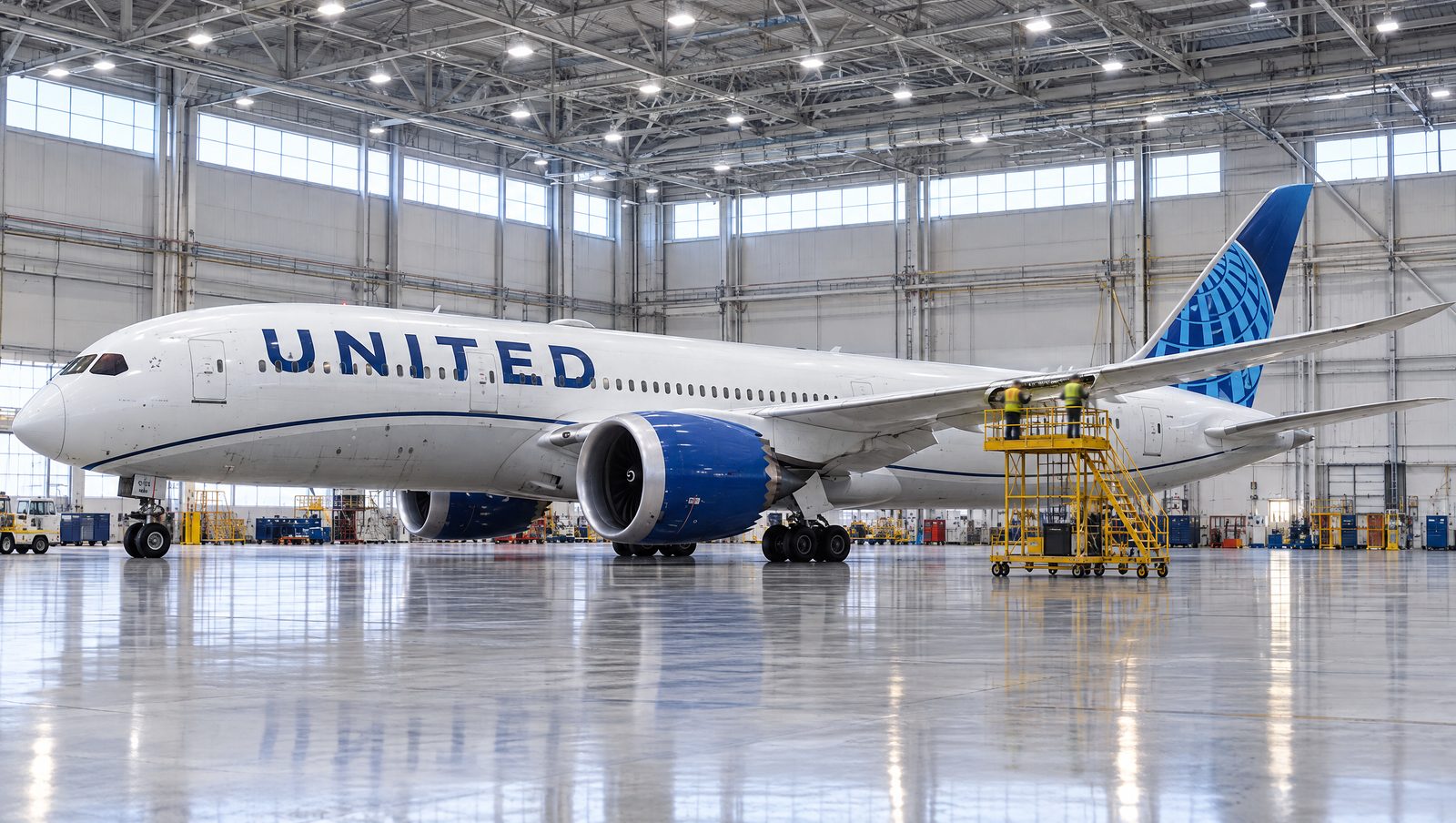
United's oldest 777-200s are approaching 29 years old. They were built for a different fuel-price era and a different regulatory era, with earlier-generation engines and none of the aerodynamic refinements that came with the 787 and A350 generation. On a transatlantic rotation, that gap shows up as fuel burn per seat — and now, increasingly, as carbon cost per seat.
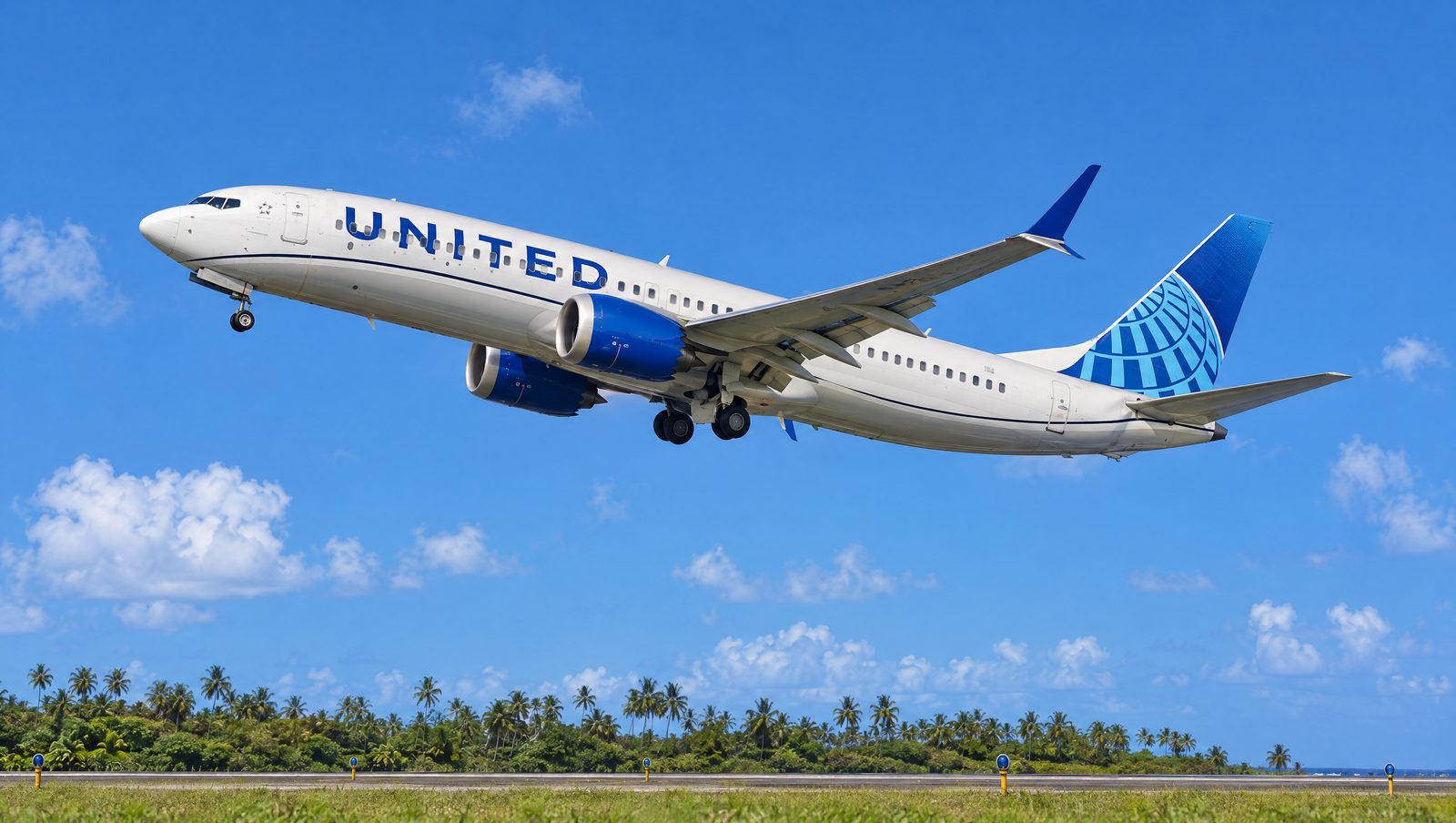
The airline has never hidden its intentions. United has been planning to phase out the oldest 777-200s for years, with Boeing 787 Dreamliners and, later, Airbus A350-900s lined up as replacements. The current fleet plan has the type fully replaced by 787 variants and A350-900s by around 2030.
What Europe's 2026 rules do is tilt the timing. When a 29-year-old widebody sits on the margin — still airworthy, still capable, but expensive to operate — the question is always whether it earns enough on the routes it can fly to justify staying. Add a rising carbon bill on precisely the long-haul markets where those aircraft are most useful, and the answer arrives sooner.
The desert is where the maths ends
Storage in the dry southwestern United States has long been the last stop for widebodies that no longer pencil out. It is rarely a dramatic decision. An aircraft comes due for a heavy check, someone runs the numbers on the check against the remaining earning life, and the jet is flown to the desert instead of the hangar.
Europe's climate policies did not create that trend. Fuel prices, maintenance costs and the arrival of far more efficient replacements were already doing the work. What the 2026 rules do is increase the financial value of efficiency on any route touching the European market — which, for a US carrier's widebody fleet, is a very large share of the flying.
A pattern, not an exception
United is not alone in this position, and the 777-200 is not the only type facing it. Across the industry, the oldest twin-aisle aircraft are being squeezed from two directions at once: newer jets that burn markedly less fuel, and a regulatory framework that increasingly prices the difference. Aircraft that might once have flown into their mid-thirties now look less defensible as their carbon cost becomes explicit.
For passengers, the visible change will be gradual — a 787 or an A350 where a 777-200 used to be. For the aircraft themselves, the change is rather more final.
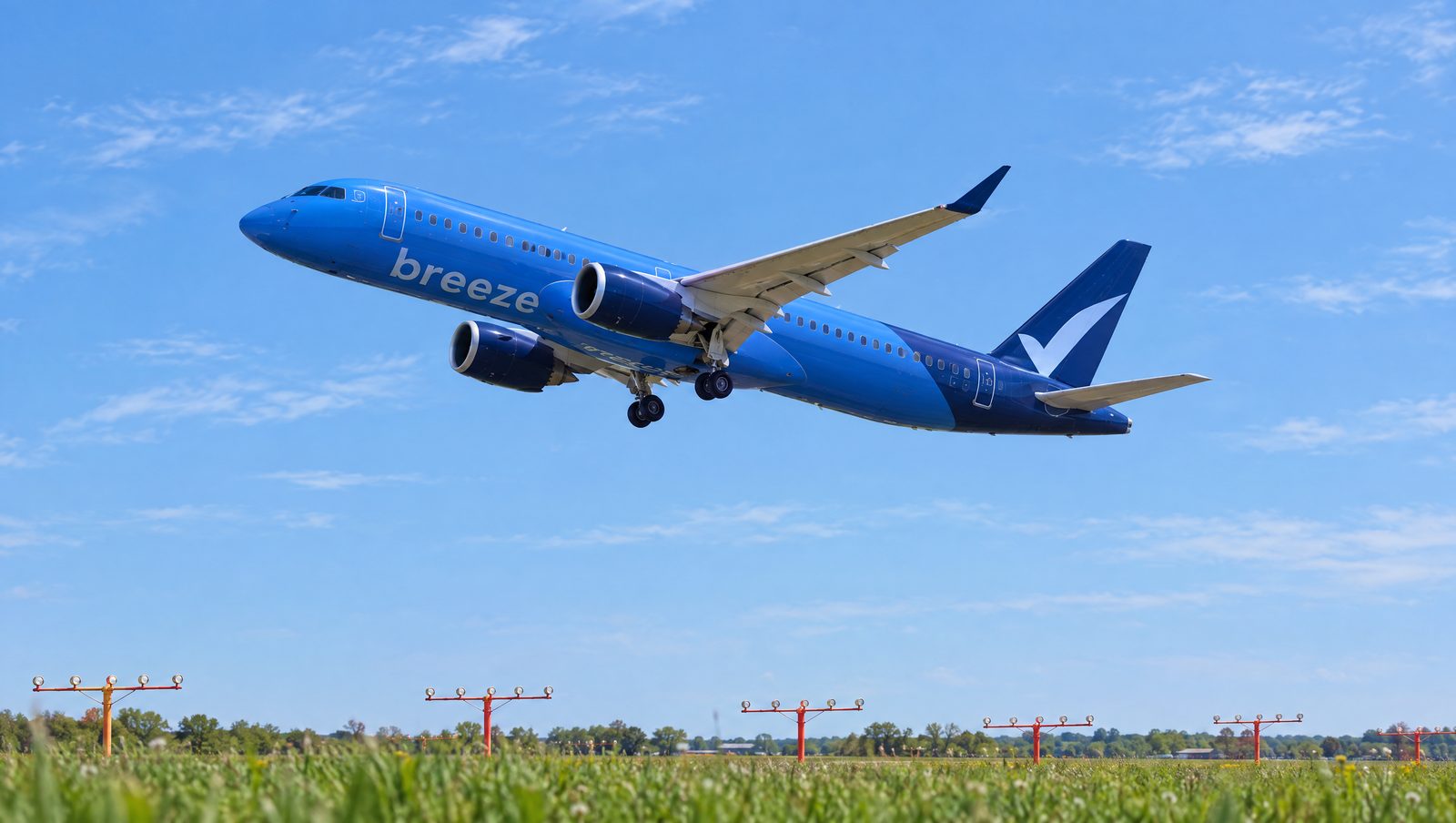
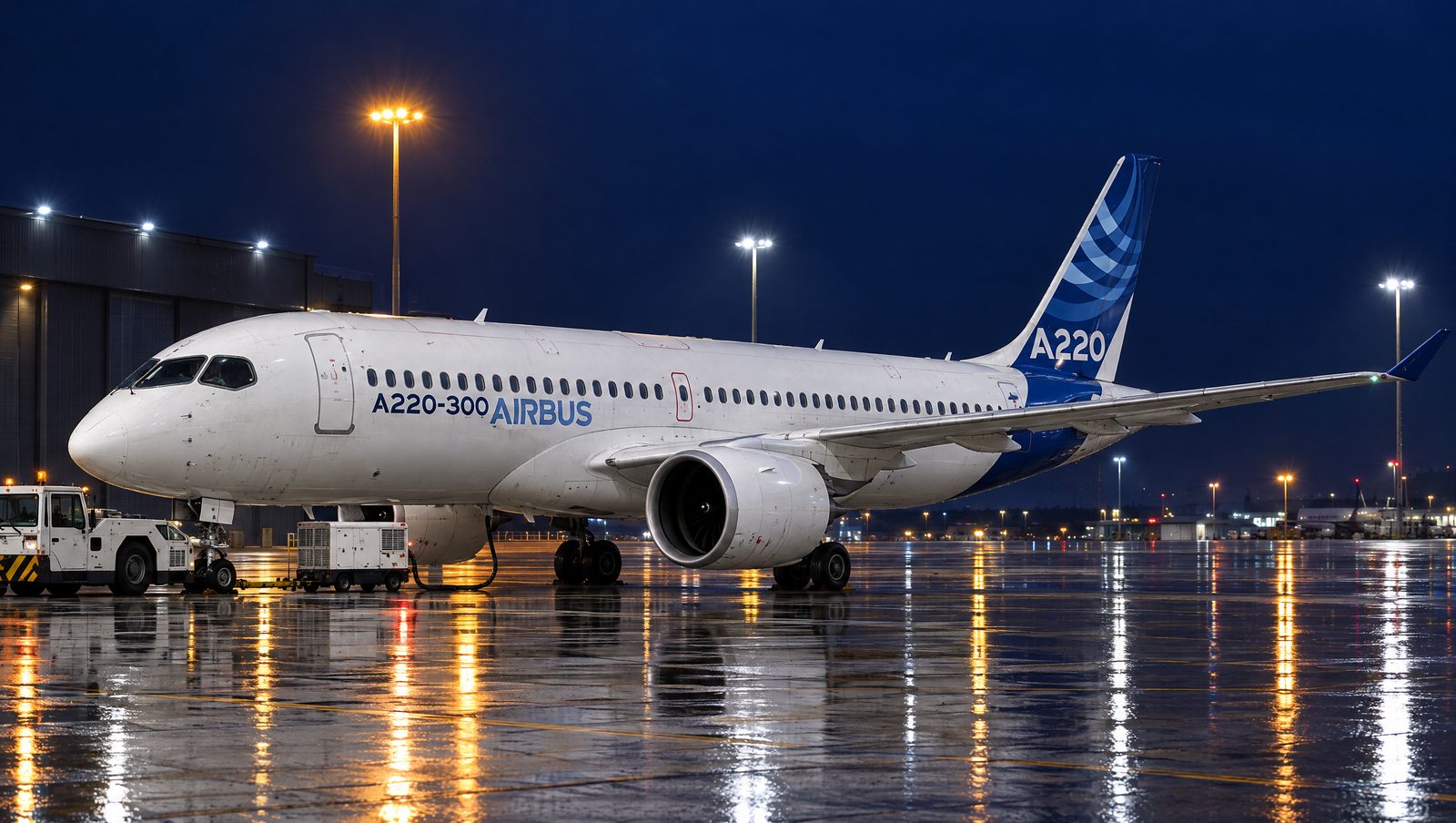
Sources: Simple Flying. Featured image: AI-generated by AviationShop. By Marco Bianchi.









Comments
Loading comments…