


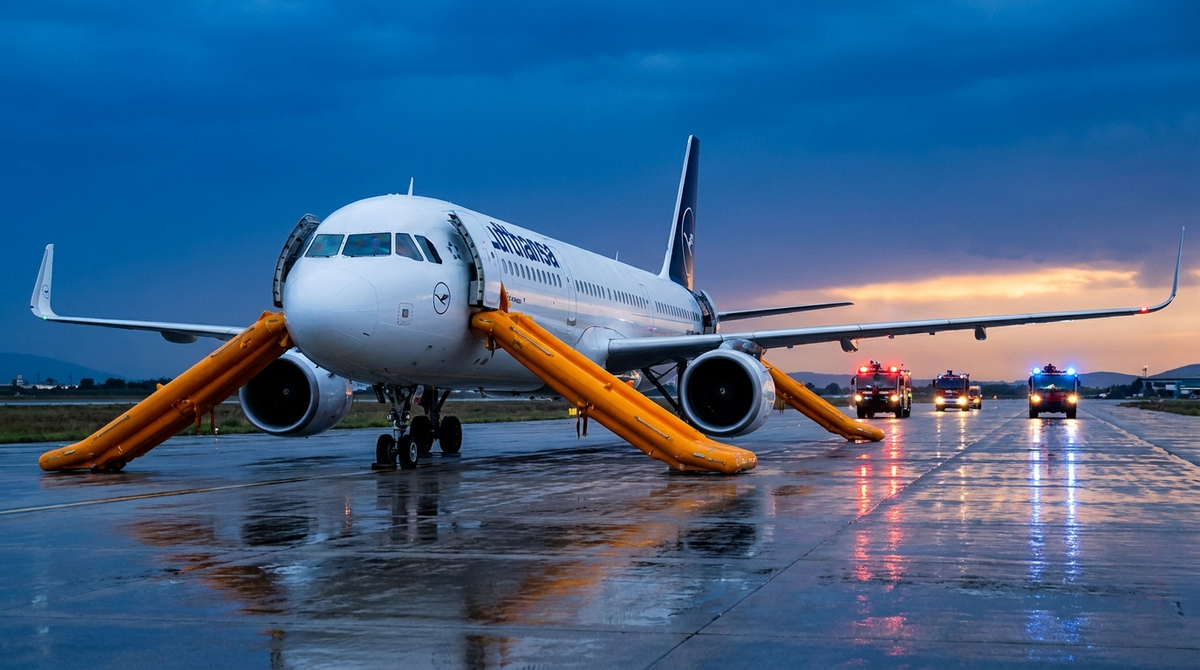
A Lufthansa Airbus A321neo performing flight LH1753 from Athens to Munich was forced to return to Athens International Airport and conduct an emergency evacuation on May 11, 2026, after the cockpit received an Auxiliary Power Unit (APU) fire warning just 13 minutes after takeoff. The aircraft, registered D-AIEA, carried 177 passengers and seven crew members, three of whom sustained minor injuries during the slide evacuation.
What happened on the climb out of Athens
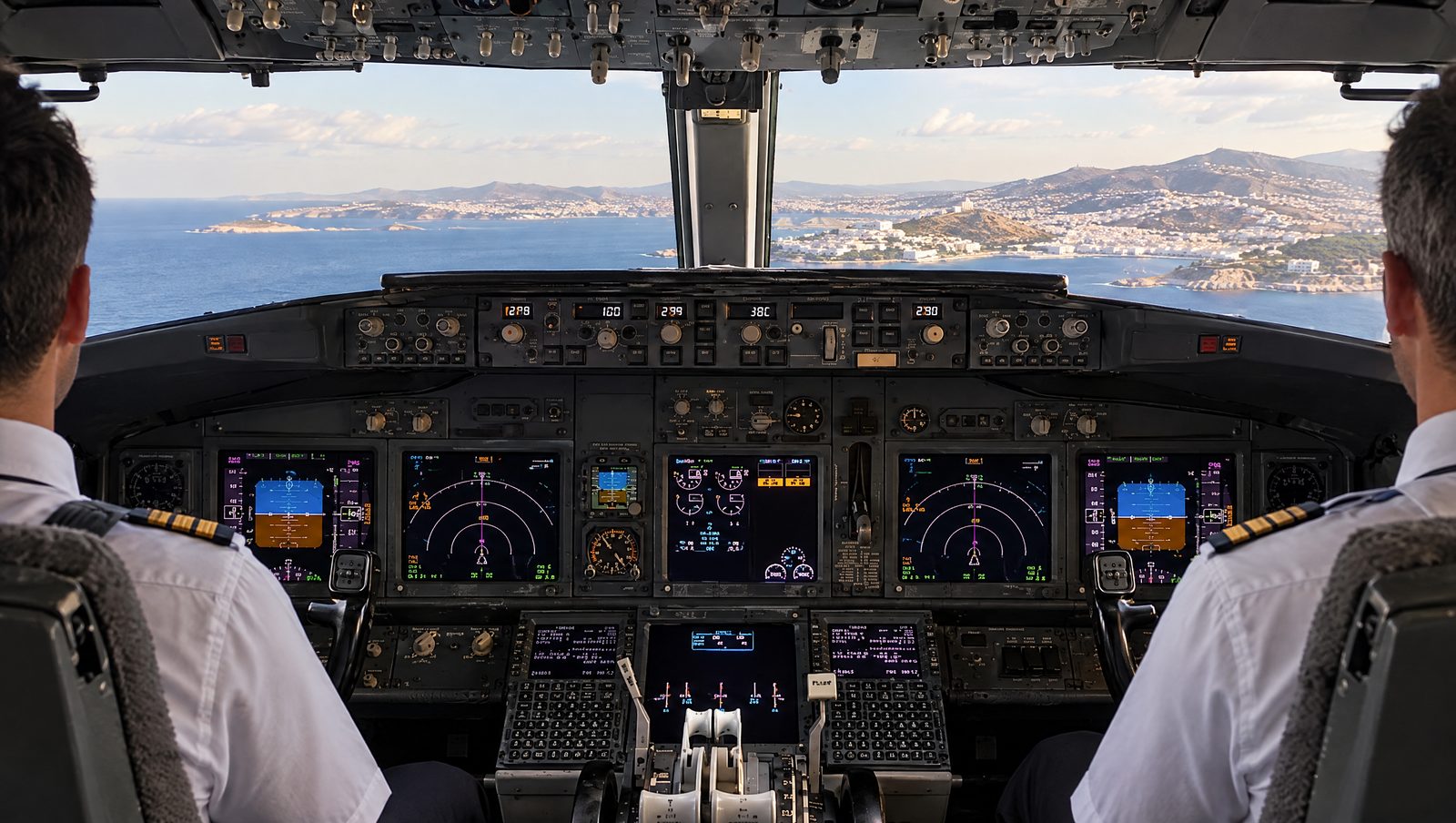
LH1753 departed Eleftherios Venizelos Airport at 18:07 local time and was climbing through roughly 8,000 feet when the warning sounded. Flight attendants reported visible smoke in the rear section of the cabin, and the captain immediately broke off the climb and turned back. The A321neo touched down on Runway 21L at 18:35, just 28 minutes after departure, and taxied clear under its own power.
Once the aircraft came to a halt on a taxiway, the captain ordered an immediate emergency evacuation using the inflatable slides. Greek airport fire crews and medical teams converged on the jet while passengers were directed away from the aircraft. Lufthansa later confirmed that three passengers were treated for minor evacuation-related injuries, with no fire damage observed on the airframe.
Why the APU warning matters
The Auxiliary Power Unit, mounted in the tail cone of the A321neo, provides electrical power and bleed air when engines are not running and serves as a backup in flight. APU fire warnings are rare but treated as critical events, because the unit sits adjacent to fuel and hydraulic lines. Standard operating procedure calls for an immediate shutdown of the APU, activation of the fire extinguishing bottles in the compartment, and a turn-back at the earliest opportunity.
The crew followed the procedure precisely, and the fact that the aircraft landed within 28 minutes of departure underlines how quickly the decision was made. Greek aviation authorities and Germany’s Federal Bureau of Aircraft Accident Investigation (BFU) are reviewing the event, with focus on the APU electrical system and the source of the smoke reported in the cabin.
What happens next
D-AIEA, a relatively young A321neo in the Lufthansa fleet, remains grounded in Athens pending a full technical inspection. Passengers continuing to Munich were rebooked onto later Lufthansa and Star Alliance services overnight. Lufthansa Group, which is currently absorbing the largest fleet modernization program in its history with 232 aircraft on order, has not commented on whether the incident will prompt any fleet-wide inspections of A321neo APU systems.
For Athens-based travelers, the incident is the second high-profile diversion at the airport in 2026 and reinforces why crew training for cabin smoke and slide evacuations remains a non-negotiable element of every airline’s safety program.
Compiled from publicly available aviation news sources. Featured image: AI-generated by AviationShop. This article is original editorial content; facts have been verified across multiple public sources.



Comments
Loading comments…