


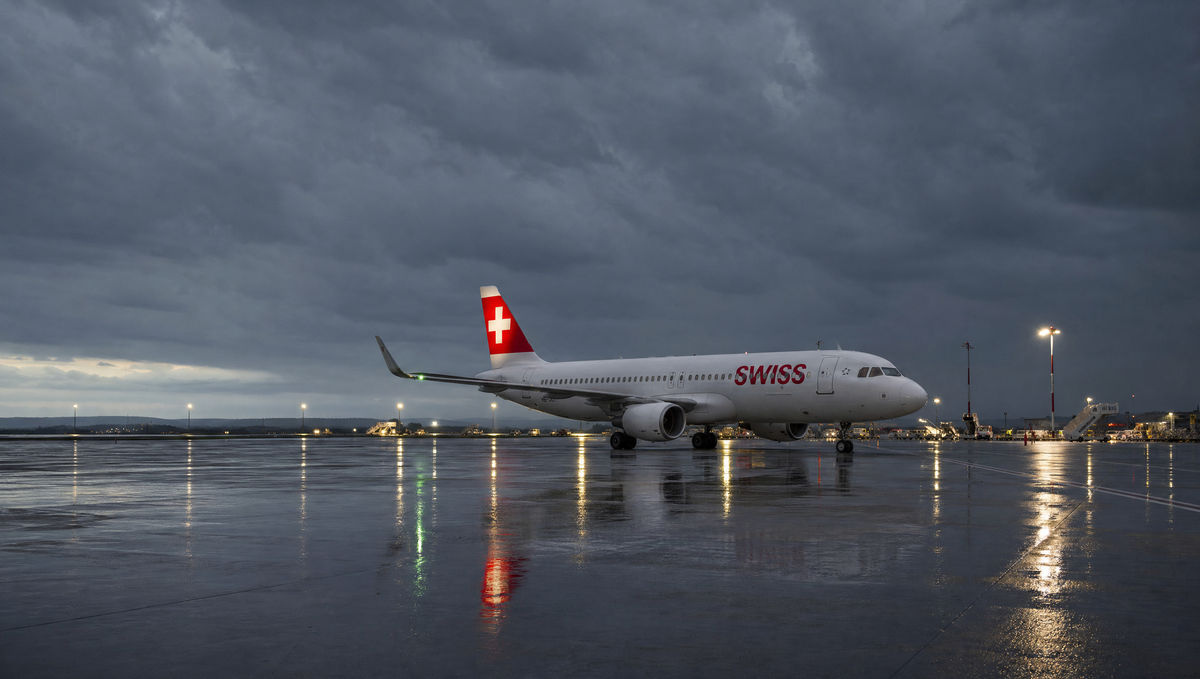
Severe thunderstorms swept across northern Switzerland on Friday, August 28, and turned Zurich Airport into one of Europe's worst-hit hubs of the day. SWISS ultimately cancelled 85 flights, affecting approximately 11,200 passengers, after repeated lightning strikes in the vicinity of the airfield made it impossible to work aircraft on the apron for long stretches of the afternoon.
The scale of the disruption escalated sharply as the weather system settled in. By lunchtime the airline had reported 27 cancellations affecting roughly 3,100 passengers. Within a few hours those figures had more than tripled, and numerous flights that were not cancelled outright ran delays of up to three hours, with some waiting considerably longer.
Why lightning shuts a ramp down
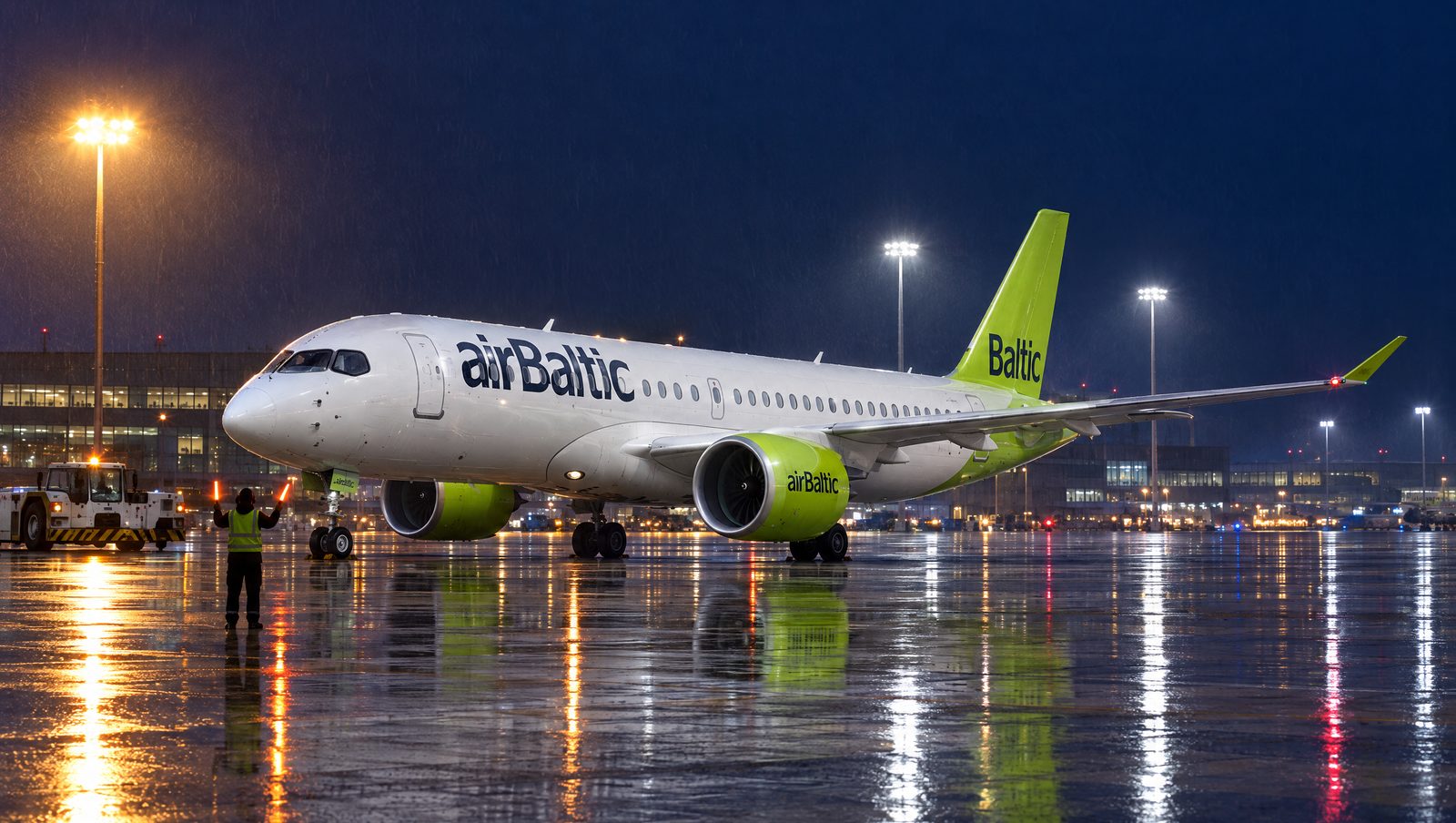
The mechanism behind the cancellations is one that passengers rarely see explained. When lightning is detected close to an airport, ground handlers order a handling stop: apron staff must move away from aircraft, jet bridges, fuel equipment and other metal structures until the threat passes. During those windows an aircraft cannot be loaded or unloaded, refuelled, catered or connected to ground power.
A handling stop of even fifteen or twenty minutes ripples outward. Turnarounds that were scheduled for forty minutes stretch to ninety, crews approach duty limits, and aircraft that should have left Zurich to operate an evening rotation elsewhere never get airborne. When several such stops occur in a single afternoon, the only realistic option for an airline is to cancel flights outright and protect the rest of the programme.
Airspace and capacity pressure
The thunderstorms also reduced Zurich's arrival and departure capacity directly. Convective cells near the approach and departure paths force air traffic control to space aircraft further apart, increase taxi times and, in the worst cases, close individual routes entirely. Restrictions extended beyond Swiss airspace into neighbouring parts of Germany and France, which narrowed the options for rerouting traffic around the weather.
For a hub carrier, that combination is particularly punishing. SWISS builds its Zurich operation around tightly banked connecting waves, feeding long-haul departures with short-haul arrivals from across Europe. Once the bank breaks down, misconnections multiply far faster than the raw cancellation count suggests, and recovery typically takes at least a full day even after the weather clears.
A familiar summer pattern
Late-summer convective storms are a recurring feature of the Alpine region, and European hubs from Zurich to Munich and Milan routinely lose capacity to them in August. Airports have invested heavily in lightning-detection systems precisely so that handling stops can be called early and lifted quickly, but the underlying constraint is unavoidable: no amount of technology makes it safe to have people standing beside a metal airframe with an active thunderstorm overhead.
Passengers caught in disruption of this kind are covered by EU and Swiss consumer rules on care and rebooking, though extraordinary weather generally removes an airline's liability for cash compensation. SWISS advised affected travellers to check their flight status directly before travelling to the airport as the operation was rebuilt.
Sources: Aviation24, SWI swissinfo.ch. Featured image: AI-generated by AviationShop. By Elena Vargas.











Comments
Loading comments…